Ladakh Inner Line Permit & Protected Area Permit
Leh town needs no permit. Nubra, Pangong and the border valleys do — and Indian and foreign nationals apply through completely different routes.
Official links
- LAHDC Leh permit portal
Official online application for the Inner Line Permit, run by the Ladakh Autonomous Hill Development Council, Leh.
Official links on this page were checked and found live on . Fees, quotas and dates change — always confirm on the official portal before travelling.
Which areas actually need a permit
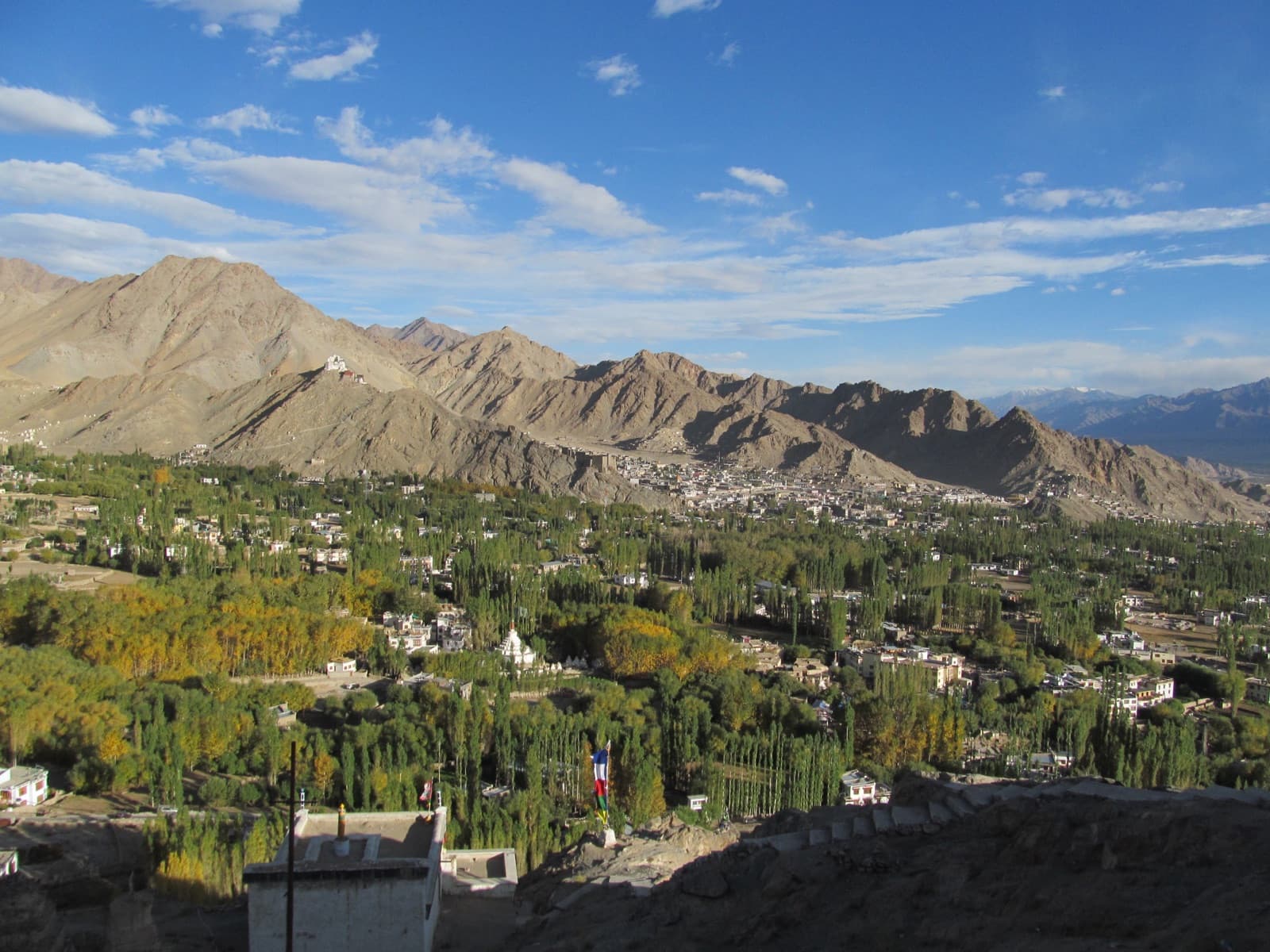
Ladakh sits against sensitive borders, so travel beyond the Indus valley core is controlled. You do not need anything to be in Leh, to visit Shey, Thiksey or Hemis, or to arrive on either highway.
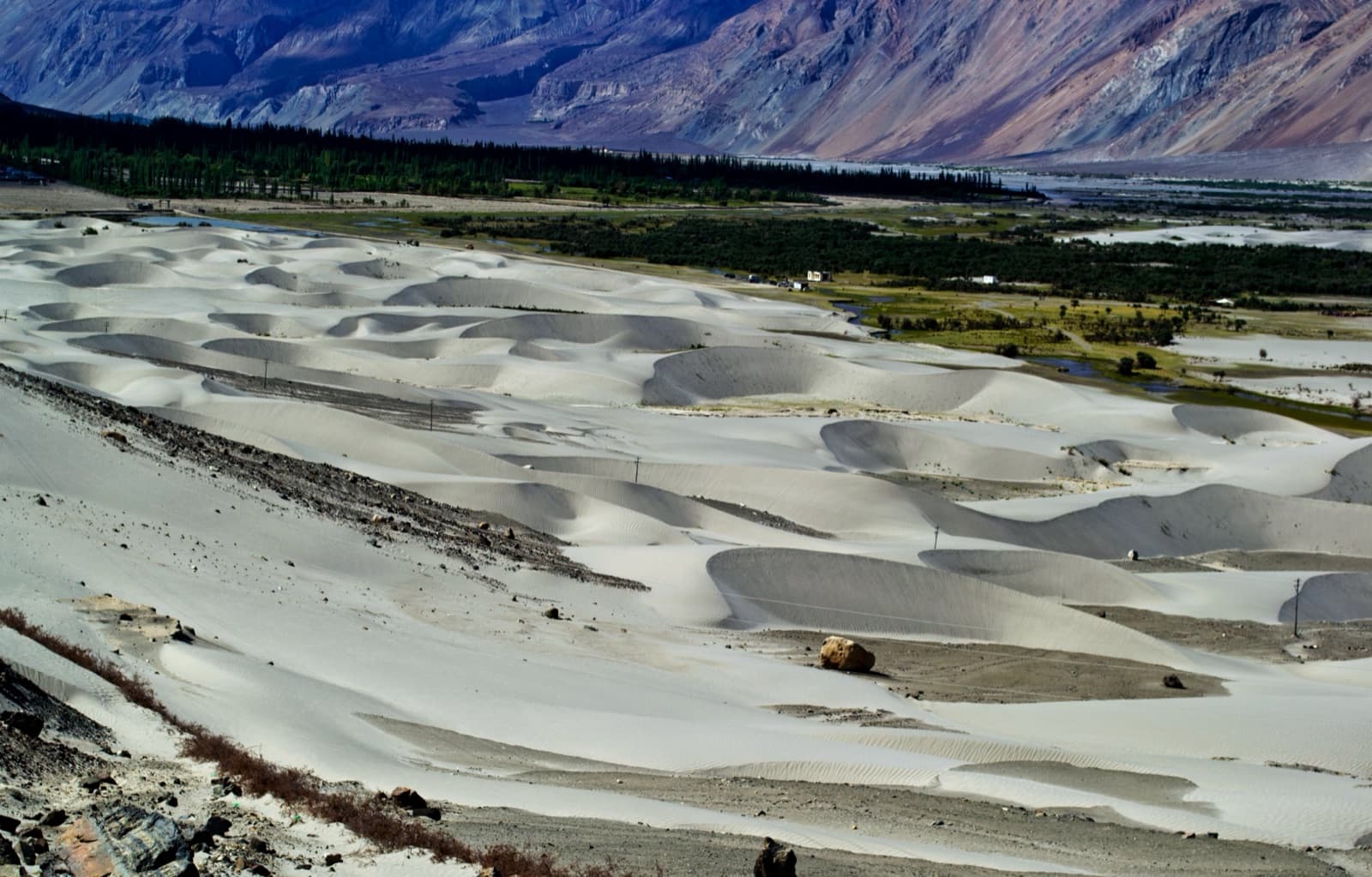
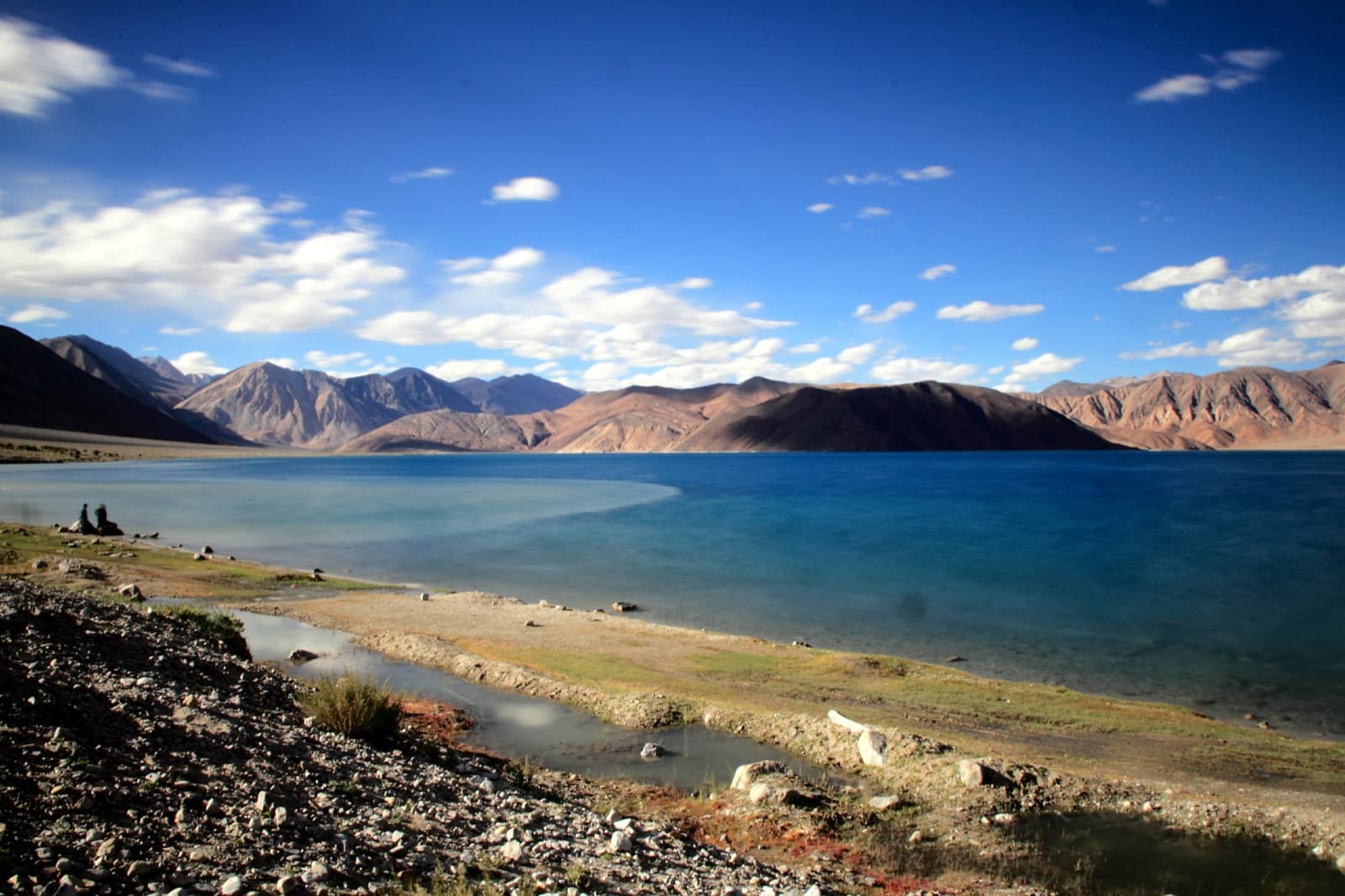
You do need a permit for the protected areas: Nubra Valley (over Khardung La, including Diskit, Hunder and Turtuk), Pangong Tso and the Shyok road, Tso Moriri and the Changthang plateau, Hanle, and the Dah-Hanu villages.
Indian nationals: the Inner Line Permit
- •Apply online at lahdclehpermit.in, or in person at the DC Office / Tourist Information Centre in Leh.
- •You will pay an environment fee and a Red Cross contribution alongside the permit itself.
- •Processing is usually same-day or next-day; in peak season apply the day before you travel.
- •Print several copies. Checkpoints at South Pullu (for Khardung La), Khalsar and Tangtse each keep one, so a single copy will not see you through a multi-day loop.
- •Carry photo ID that matches the permit.
Foreign nationals: the Protected Area Permit
Foreign passport holders cannot use the online ILP route. You need a Protected Area Permit, arranged through a travel agent registered in Leh, with passport and visa copies. It is commonly issued for groups of two or more travelling together, so solo foreign travellers should speak to an agent early rather than assuming it will be arranged on arrival.
Citizens of some countries face additional restrictions in border areas. If that may apply to you, confirm with your agent well before booking non-refundable transport.
A planning note that matters more than the permit
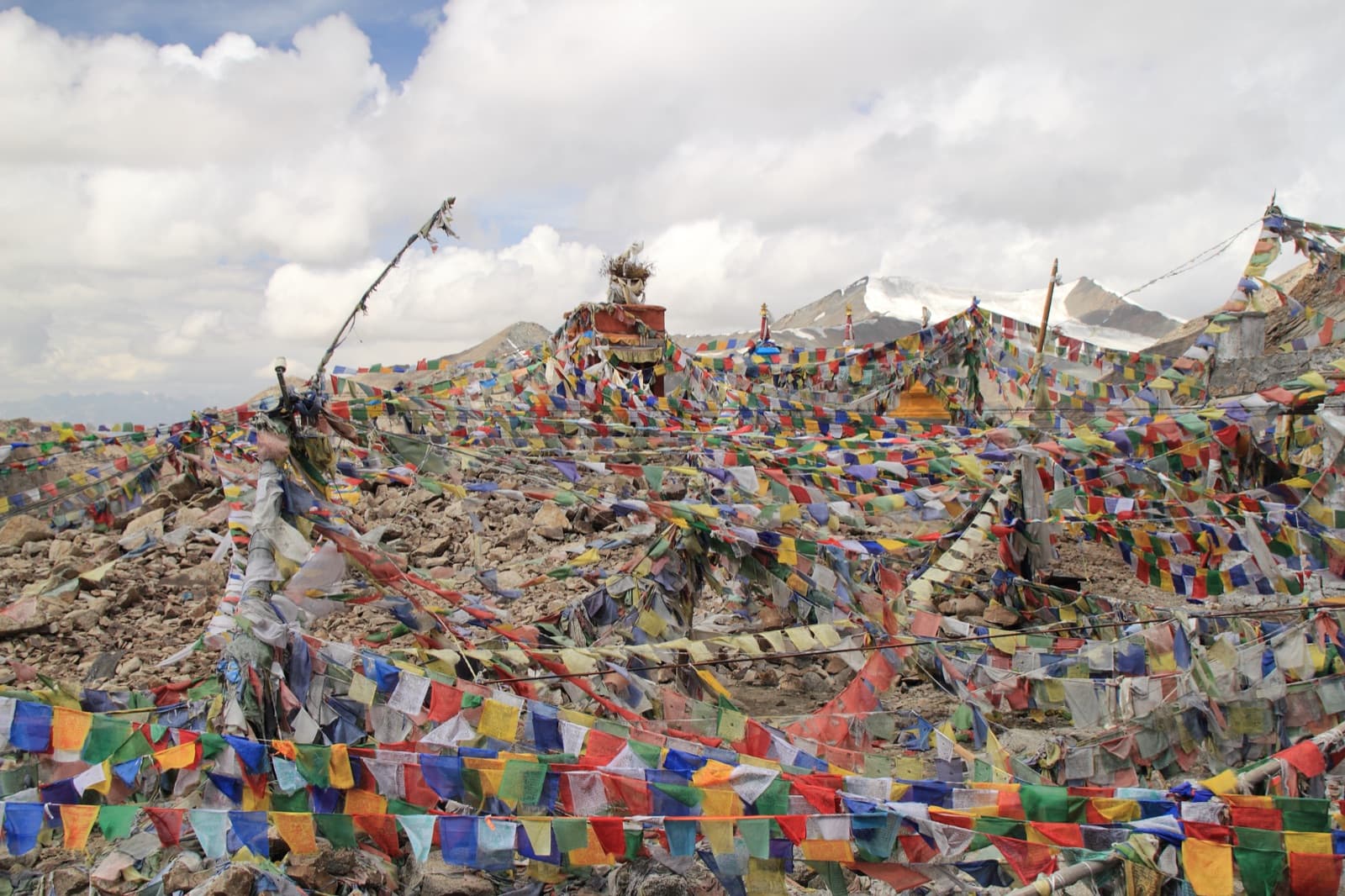
Leh sits at roughly 3,500 m and the permit areas are higher still — Khardung La is above 5,300 m and Pangong sits around 4,350 m. Acute mountain sickness ends more Ladakh trips than paperwork does. Keep two days in Leh before going higher, drink plenty of water, skip alcohol for the first 48 hours, and sequence the trip so your highest sleeping altitude comes last.
One more practical trap: only postpaid SIM cards work in Ladakh. Prepaid connections issued elsewhere in India get no signal, so download offline maps and carry cash before leaving Leh.
Frequently Asked Questions
No. Leh town, Shanti Stupa, Leh Palace and the Indus valley monasteries at Shey, Thiksey and Hemis are all open without any permit. The requirement starts when you head for Nubra, Pangong, Tso Moriri, Hanle or the Dah-Hanu villages.
No. Both highways are open to Indian and foreign travellers without a permit. Only the protected areas off those routes require one.
At least four or five printed copies for a Nubra plus Pangong loop. Checkpoints collect a copy rather than inspecting and returning it, and running out mid-route is a common and entirely avoidable problem.
No. The online ILP portal is for Indian nationals. Foreign passport holders need a Protected Area Permit arranged through a registered travel agent in Leh, with passport and visa copies, usually for groups of two or more.
Usually same day or next day. Apply the day before you plan to travel; offices in Leh are busiest in July and August.
Ladakh’s permit requirements have been revised several times since the Union Territory was created, including changes to whether Indian nationals need an ILP for particular areas. Check the official portal close to your travel date rather than relying on an older blog post — including this one.