Nubra Valley
Ladakh's Cold-Desert Valley of Flowers • Dunes, Camels & Monasteries
About Nubra Valley
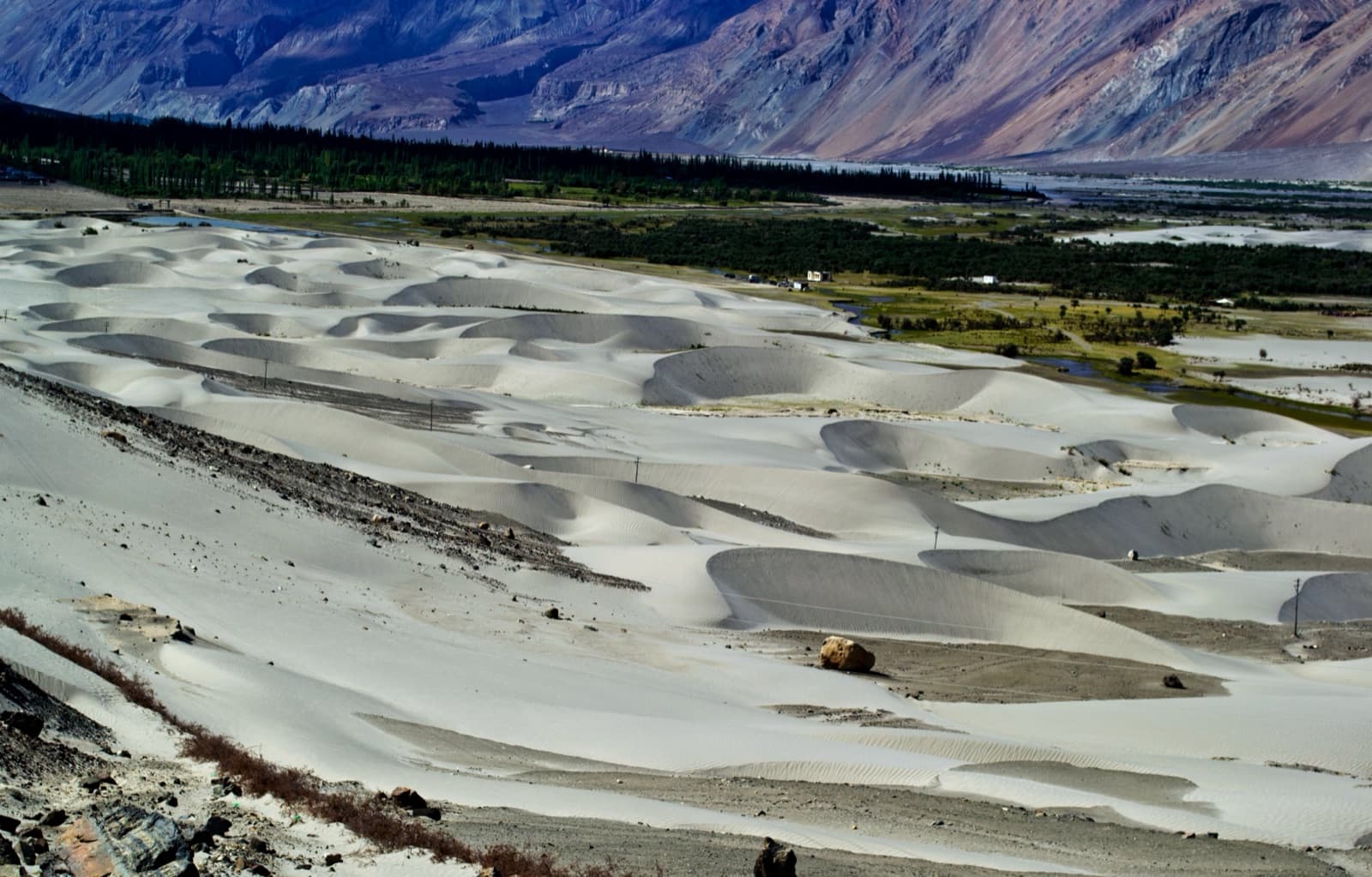
Nubra Valley — historically called Ldumra, the “valley of flowers” — spreads out where the Shyok and Nubra rivers meet, north of Leh across the mighty Khardung La. At about 3,050 metres it sits noticeably lower than Leh, which makes its summers milder and its villages greener, yet it remains a true high-altitude cold desert: white sand dunes, seabuckthorn thickets and poplar-lined oases framed by the snow-capped Karakoram.
For centuries the valley was a staging post on the caravan route between Leh and Yarkand in Central Asia — the double-humped Bactrian camels of Hunder are living reminders of that Silk Route past. Today travellers come for the surreal dunes, the great Maitreya Buddha at Diskit, hot springs at Panamik, and the Balti village of Turtuk near the Line of Control.
Highlights
- • Hunder Sand Dunes — white dunes with Bactrian double-humped camel safaris
- • Diskit Monastery — 14th-century gompa with the 32 m Maitreya Buddha statue
- • Sumur & Samstanling — serene monastery village on the Nubra River side
- • Panamik Hot Springs — sulphur springs near the old Yarkand caravan trail
- • Turtuk Village — Balti culture and apricot orchards near the LoC
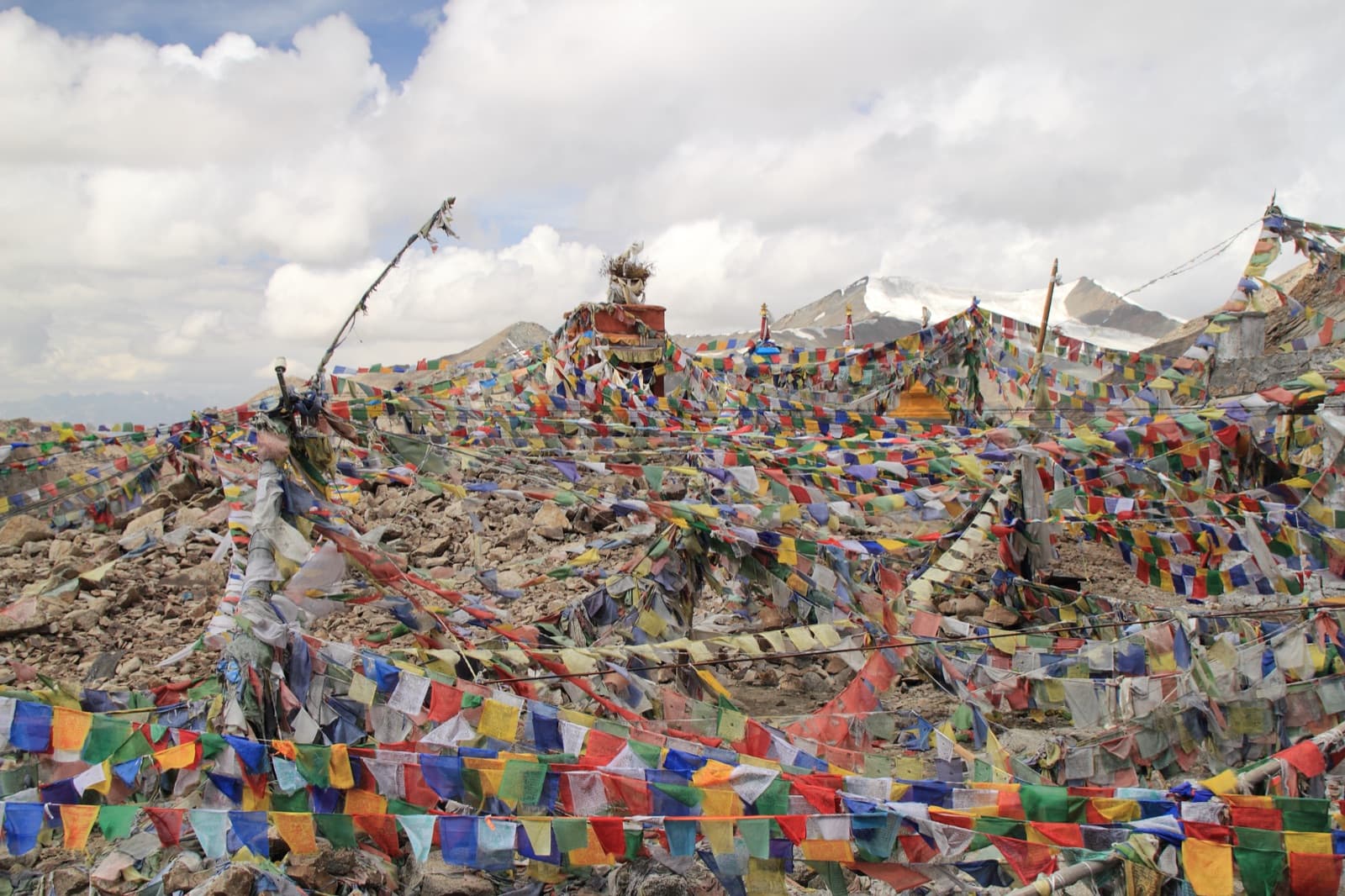
- • Khardung La — the spectacular high-pass drive that gets you here
Best Time to Visit
May to September is ideal. Early summer brings warm days, open roads and the season's first camps; July and August add greenery along the rivers; September offers crystal-clear skies and golden poplars with fewer crowds.
The Leh–Nubra road stays open for most of the year, so winter trips are possible for the hardy — expect sub-zero days, minimal facilities and magical, empty landscapes. Avoid planning tight itineraries in early spring and late autumn, when fresh snowfall can temporarily shut Khardung La.
Visiting Tips
- • Acclimatise in Leh for at least 2 days before crossing Khardung La
- • Arrange your Inner Line Permit (lahdclehpermit.in) or PAP a day in advance; carry photocopies
- • Stay at least one night — Diskit, Hunder and Sumur deserve a full day each
- • Carry cash; ATMs are scarce beyond Diskit and card acceptance is rare
- • Mobile coverage is patchy — postpaid Jio/BSNL work best in Diskit and Hunder
- • Fuel up in Leh; Diskit has the valley's only petrol pump
- • Book the Nubra–Pangong road via Shyok only in a sturdy vehicle with a local driver
Nearby Places
Khardung La
One of the world's highest motorable passes (~5,359 m) — the dramatic gateway between Leh and Nubra.
Leh
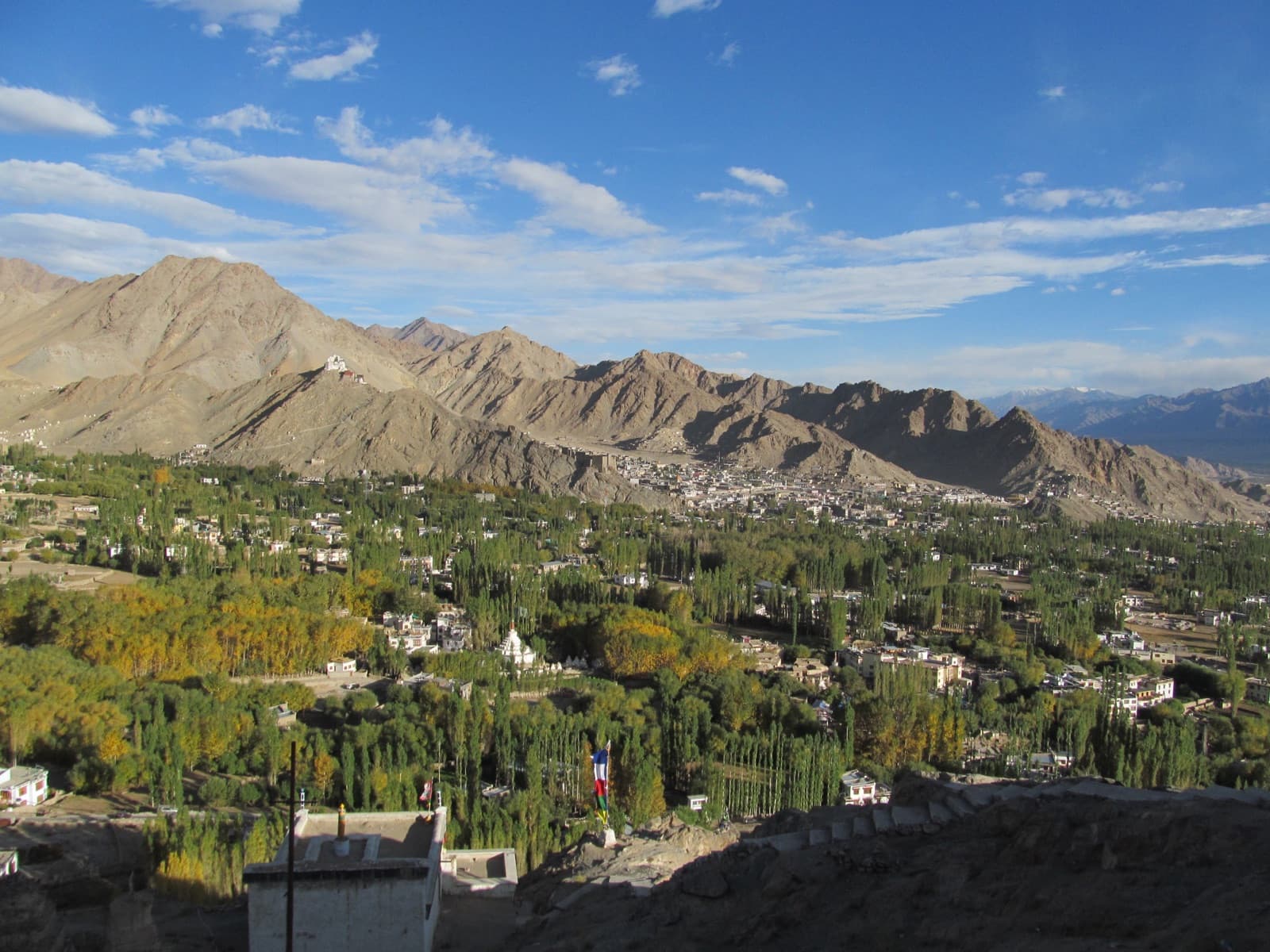
Ladakh's capital and acclimatisation base — Leh Palace, Shanti Stupa, markets and monasteries.
Pangong Tso
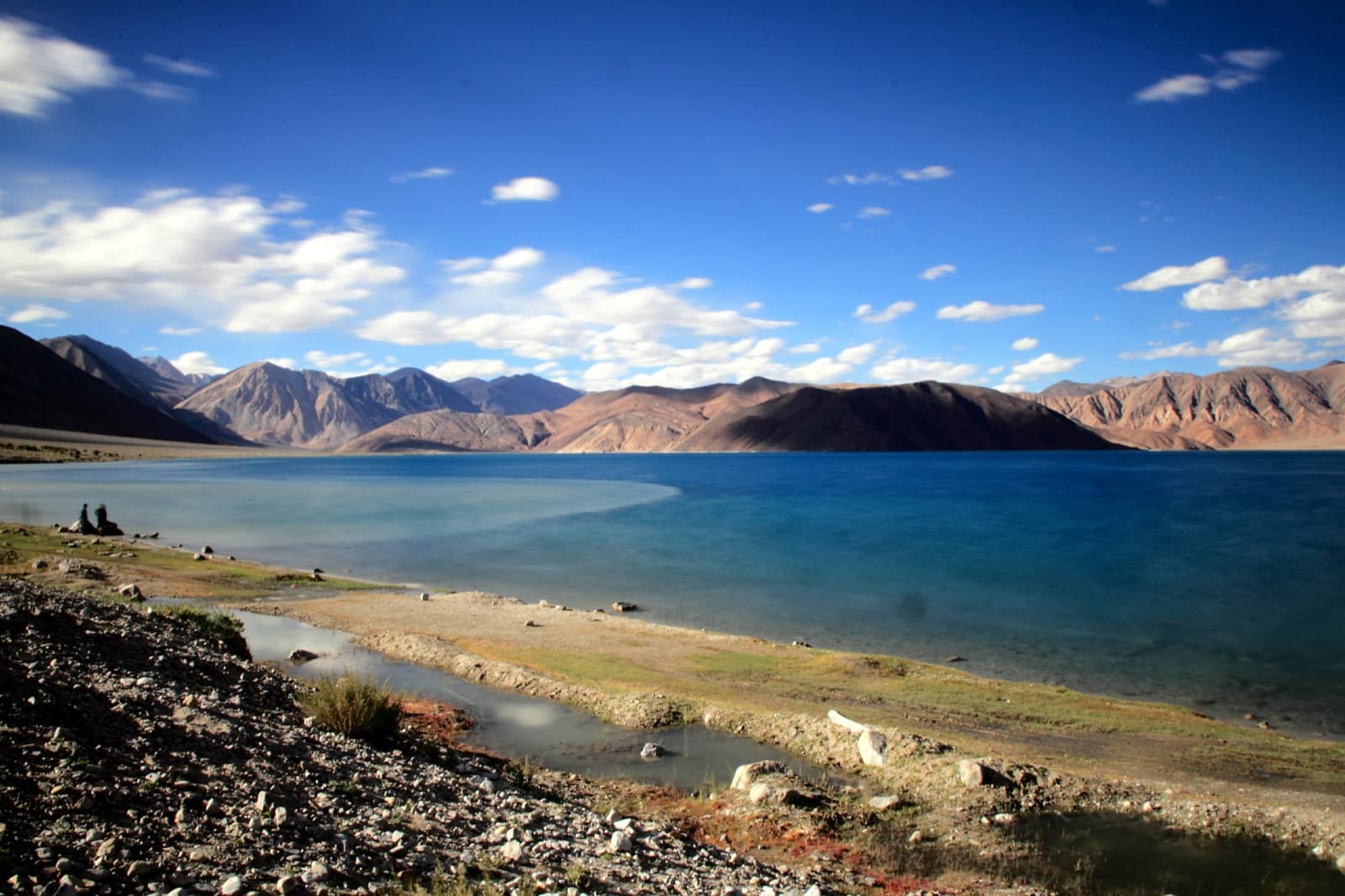
The famous colour-shifting high-altitude lake, reachable directly from Nubra via the Shyok river road.
Planning a full circuit?
Nubra fits perfectly into our Chandigarh–Leh–Ladakh Circuit itinerary, which covers Leh, Nubra and Pangong day by day.
Frequently Asked Questions
Yes. Indian citizens need an Inner Line Permit (ILP), which can be applied for online at lahdclehpermit.in or obtained through the DC Office in Leh and local travel agents. Foreign nationals need a Protected Area Permit (PAP), issued only through registered travel agencies in Leh, usually for groups of two or more. Carry several photocopies of the permit and your ID, as they are checked at the North Pullu checkpoint before Khardung La.
May to September is the best window. Summer (May–June) offers pleasant days of 15–25°C and fully open roads, July–August adds greenery and blooming seabuckthorn, and September brings crisp air and golden autumn colours. Winter visits are possible since the road stays open most of the year, but temperatures drop well below freezing and many camps and guesthouses shut down.
Hunder’s sand dunes are home to Bactrian double-humped camels, descendants of the caravan animals that once plied the Silk Route between Ladakh and Central Asia. A 15–30 minute safari across the white dunes, with the Karakoram peaks behind, is the signature Nubra experience. Rides run through the day, but late afternoon (4–6 pm) has the softest light and cooler sand.
Diskit Monastery, founded in the 14th century, is the oldest and largest gompa in Nubra Valley. Below it sits the iconic 32-metre (106 ft) statue of Maitreya Buddha, facing down the Shyok River towards Pakistan as a symbol of peace. It was consecrated by the Dalai Lama in 2010, and the terrace around the statue offers sweeping views of the entire valley.
Diskit, the valley headquarters, is about 120–125 km from Leh over the Khardung La pass (~5,359 m), one of the world’s highest motorable roads. The drive takes roughly 4–5 hours by taxi or self-driven vehicle. Shared taxis and a few seasonal HRTC/local buses also run from Leh. Spend at least two days acclimatising in Leh before crossing the pass.
Yes. Turtuk, about 80 km beyond Hunder along the Shyok River, is one of India’s northernmost villages and was part of Baltistan until 1971. It opened to tourists in 2010 and is famed for its apricot orchards, Balti culture and dramatic setting near the Line of Control. Indian tourists can visit on the same Inner Line Permit; carry your ID as there are army checkpoints en route.
Diskit and Hunder have the widest choice: desert camps with tented cottages near the Hunder dunes, plus guesthouses and family-run homestays in both villages. Sumur and Panamik on the Nubra River side have quieter homestays, and Turtuk has a handful of rustic homestays among the apricot orchards. Book ahead for June–August; most camps close from late October to April.
Yes. A direct road runs from Nubra to Pangong Tso along the Shyok River via Agham and Durbuk, taking about 5–6 hours from Hunder or Diskit — no need to return to Leh. The Shyok route is scenic but has water crossings and rough patches, so it is best attempted in a sturdy vehicle with an experienced driver, and only when locals confirm the road is open.
Location & Map
Nubra Valley, Diskit, Leh district, Ladakh — beyond Khardung La on the Leh–Diskit road
View on Google MapsQuick Facts
How to Reach
Fly to Leh (IXL), acclimatise 2 days, then drive over Khardung La.
Leh → South Pullu → Khardung La → North Pullu → Khalsar → Diskit/Hunder (~4–5 hrs). Permits checked at North Pullu.
Shared taxis and seasonal buses run from Leh to Diskit; frequency is limited, so book a day ahead.
Direct Shyok-river road to Pangong Tso (5–6 hrs) — confirm road status locally.
Weather Guide
Days 15–25°C, chilly nights of 5–10°C. Perfect for dunes, safaris and village walks.
Golden poplars and clear skies; nights near freezing as camps wind down.
Days below 5°C, nights to −15°C or lower; only homestays operate.
Strong high-altitude sun — carry sunscreen, sunglasses and layers for big day–night swings.
Browse every guide we have for this state: Places to visit in Ladakh