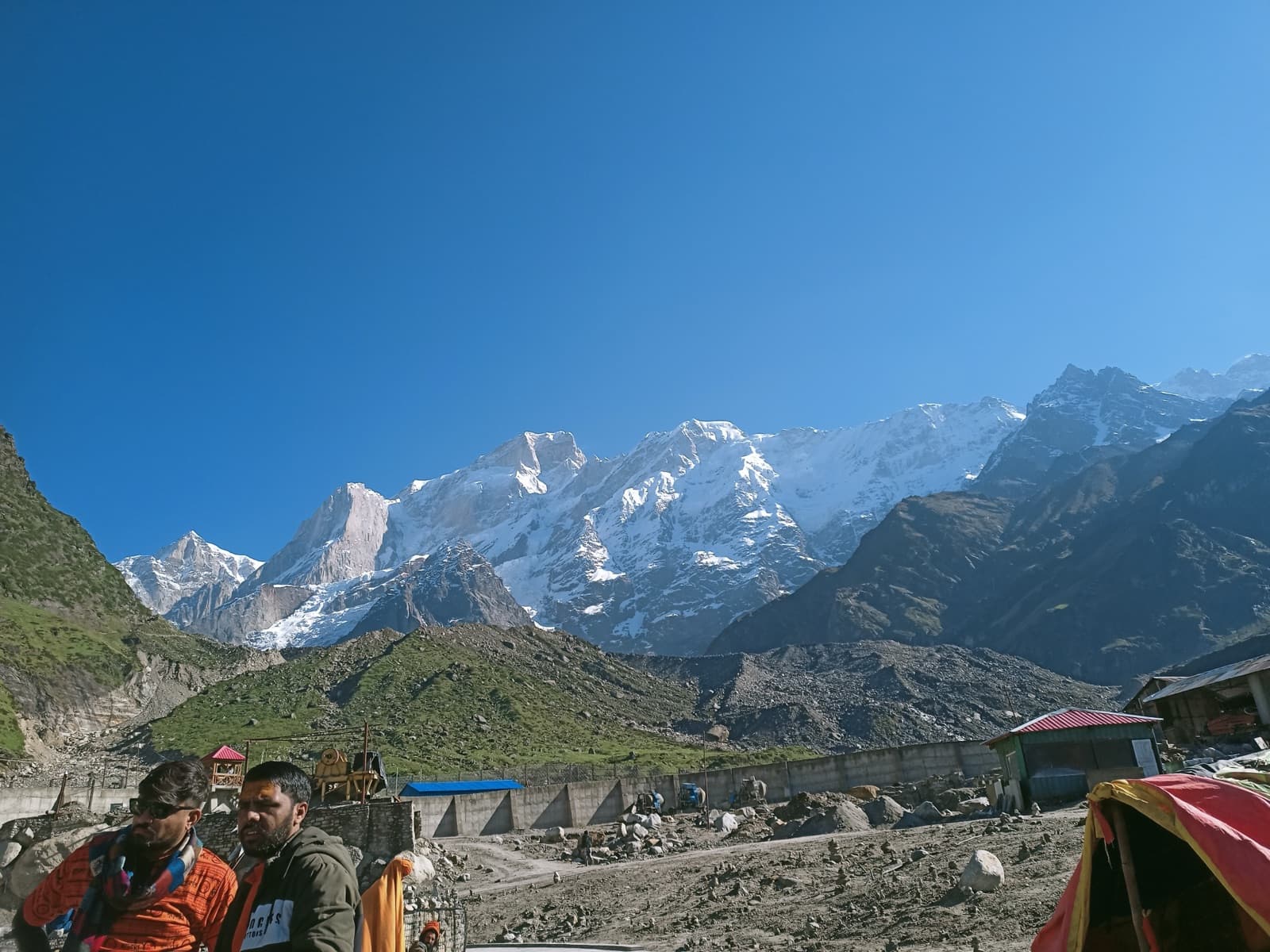
Char Dham Yatra Registration
Every yatri needs to register before travelling to Yamunotri, Gangotri, Kedarnath or Badrinath. Here is the official route and what the season looks like.
Official links
- Uttarakhand Tourist Care — yatra registration
The state government portal for compulsory Char Dham yatra registration.
- Badrinath–Kedarnath Temple Committee
Official temple committee site for darshan information and announcements.
Official links on this page were checked and found live on . Fees, quotas and dates change — always confirm on the official portal before travelling.
Registration is compulsory
Uttarakhand requires every yatri to register before travelling to the four shrines. Registration is free, is done on the state government portal, and produces a yatra registration card or QR code that is checked at entry points on the route. Without it you can be stopped before reaching the shrine.
Registration also exists for crowd management and safety: the state caps daily numbers at each shrine in busy periods, and the register is what makes search and rescue possible when weather closes in.
How to register
- •Go to registrationandtouristcare.uk.gov.in and create an account with a mobile number.
- •Add each traveller with a government photo ID — everyone in the group needs registering, including children.
- •Select the shrines and your intended dates.
- •Download and print the registration card or QR code, and carry photo ID matching it.
- •Register well ahead for May and June, the two busiest months, when daily slots at Kedarnath fill early.
When the shrines open and close
The gates open in spring — traditionally around Akshaya Tritiya in late April or early May — and close for winter around Diwali in October or November, when the deities move to their winter seats. The precise dates are announced afresh each year by the temple committees and are not fixed to a calendar date.
That means you should confirm the current year’s opening and closing dates on the official temple committee site before booking flights or non-refundable transport. Do not plan around dates quoted in an article written for a previous season.
The route and the treks
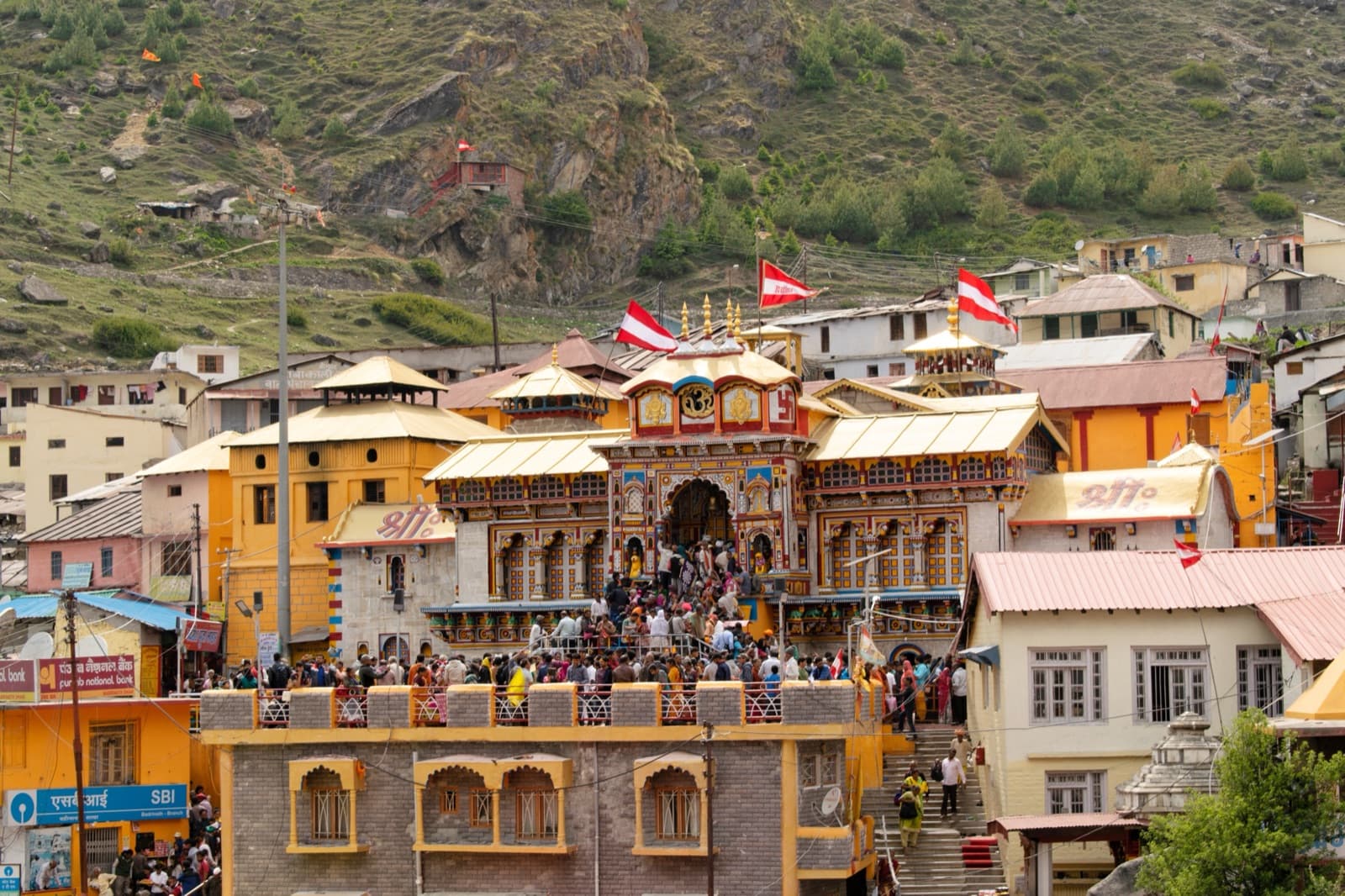
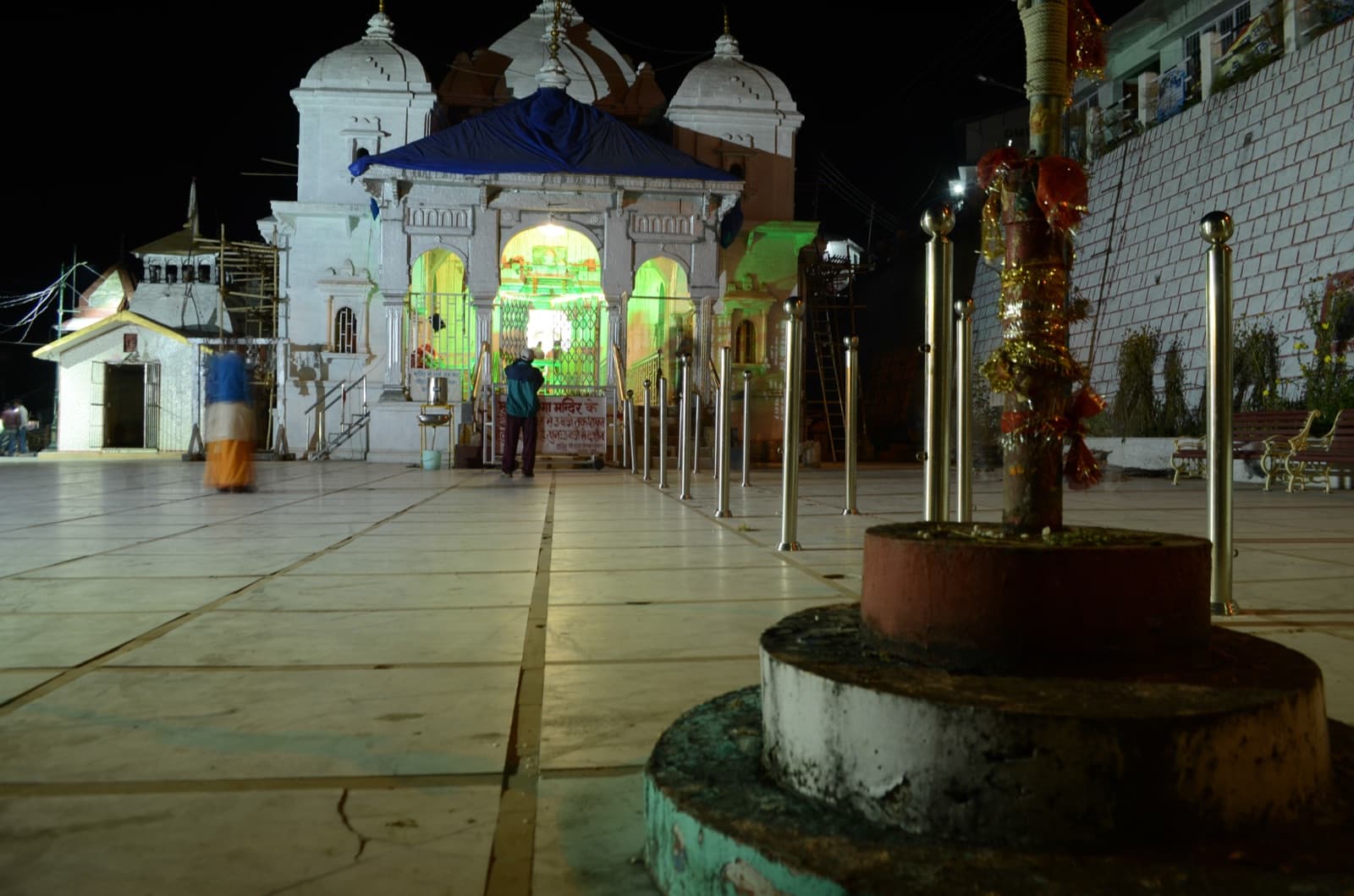
- •The traditional order is west to east: Yamunotri, then Gangotri, then Kedarnath, then Badrinath.
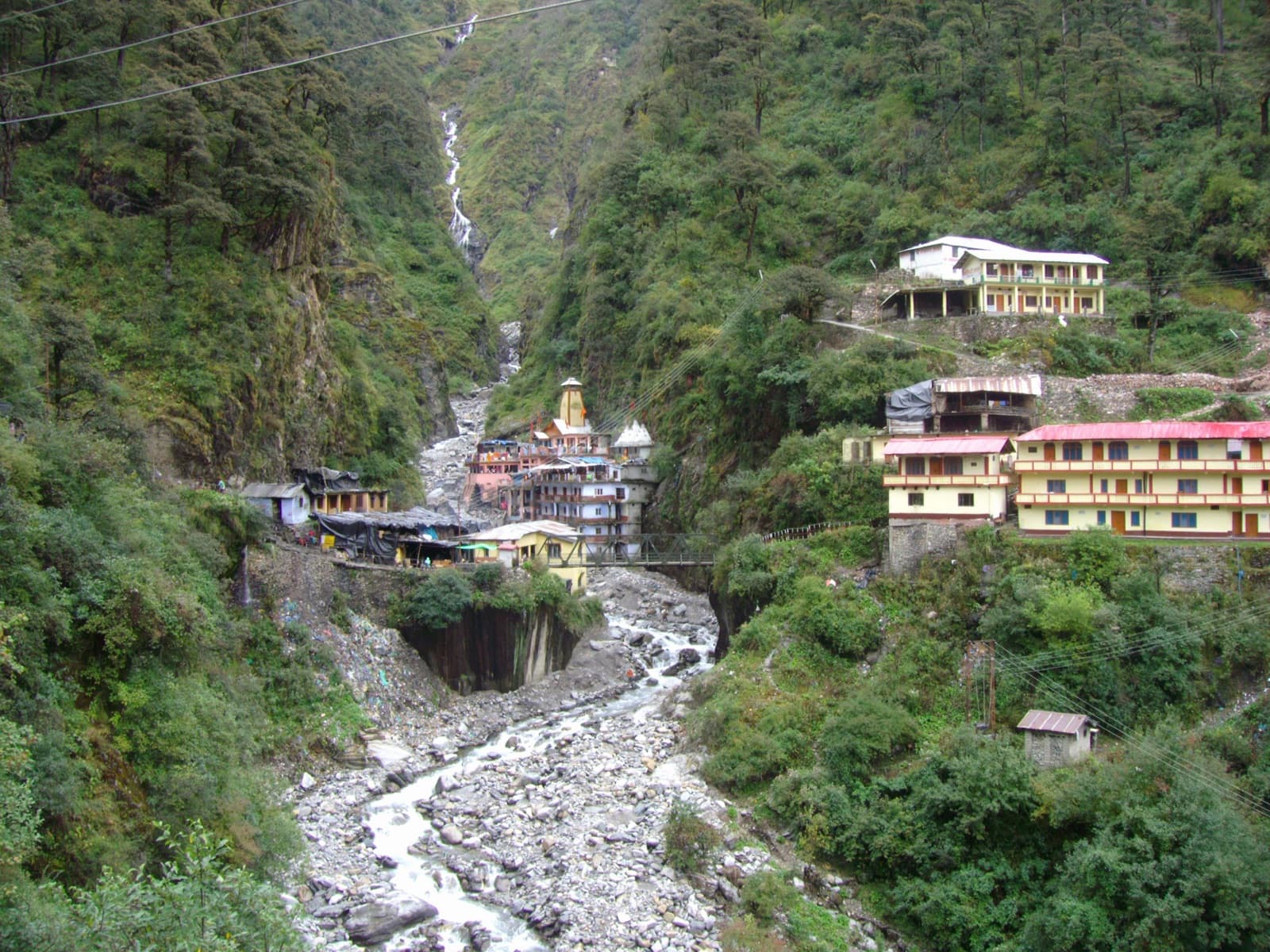
- •Yamunotri involves a trek of about 6 km from Janki Chatti; ponies and palanquins are available.
- •Kedarnath is the hard one — roughly 16 km on foot from Gaurikund, with ponies and helicopter services as alternatives.
- •Gangotri and Badrinath are both reachable by road, with only short walks at the shrine.
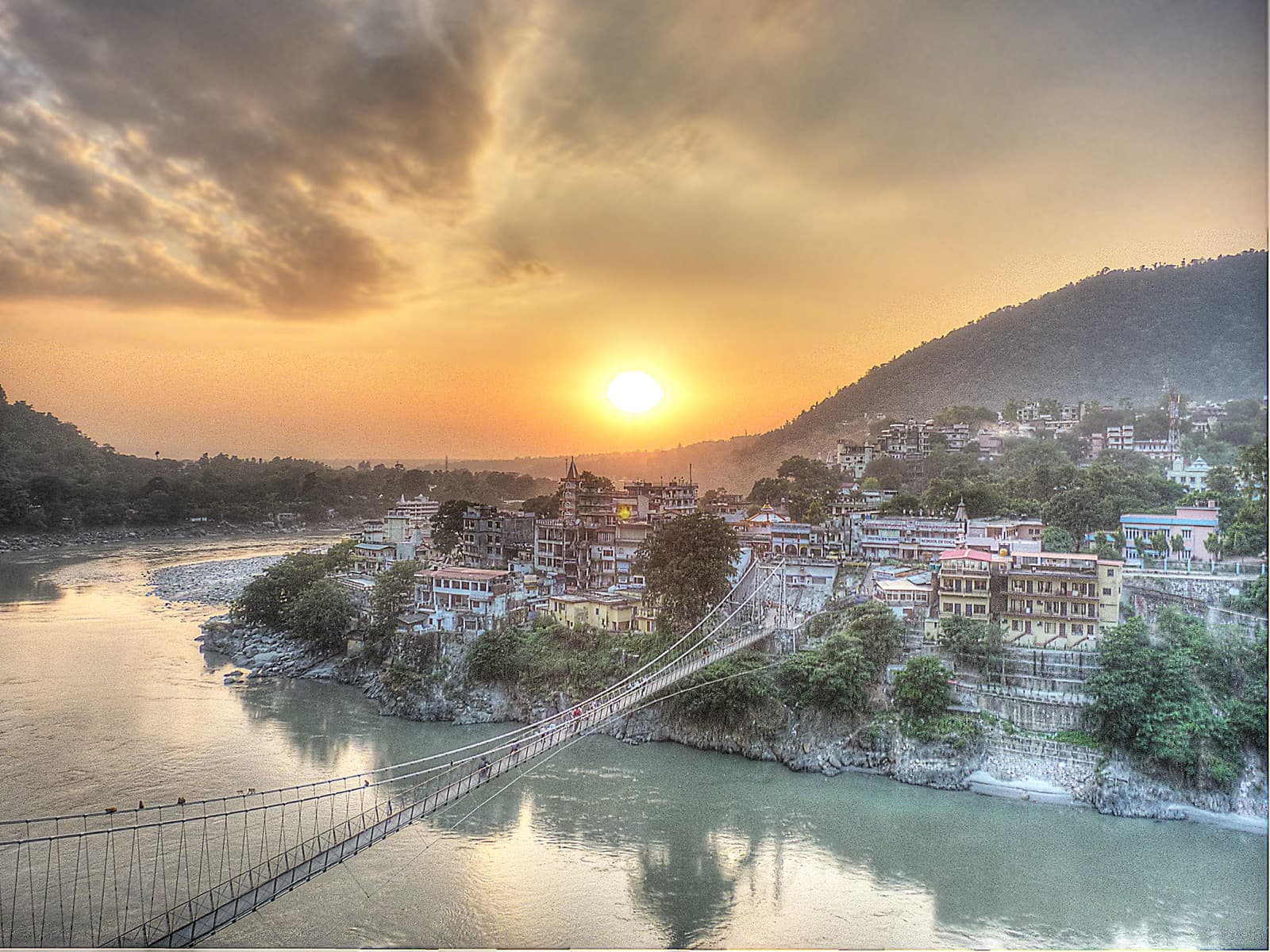
- •Rishikesh and Haridwar are the usual staging points for the whole circuit.
Weather and health
The shrines sit between roughly 3,000 m and 3,600 m and the weather turns quickly. The monsoon months of July and August bring landslides and road closures across Garhwal, and the yatra is regularly suspended for days at a time. May–June and September–October are the more reliable windows.
Uttarakhand has at times required a health screening for older pilgrims, and the Kedarnath trek is genuinely demanding. If you have cardiac or respiratory conditions, get medical advice before committing, and build rest days into the plan.
Frequently Asked Questions
Yes. Uttarakhand requires all yatris to register on the state Tourist Care portal, and registration is checked on the route. It is free, so there is no reason to skip it — and travelling without it risks being turned back short of the shrine.
Around Akshaya Tritiya in late April or early May, closing near Diwali in October or November. The exact dates are announced each spring by the temple committees and change every year, so confirm them on the official site before booking.
About 16 km each way from Gaurikund, climbing to roughly 3,580 m. Most people take 6 to 8 hours up. Ponies, palanquins and helicopter services are available, with helicopter tickets sold through the official IRCTC heliyatra booking route and selling out quickly in peak season.
Yes — the full circuit from Haridwar or Rishikesh typically takes 10 to 12 days by road, including the treks. Doing two shrines, usually Kedarnath and Badrinath, in around 6 days is a common shorter option.
May to June and September to October. Avoid July and August: the monsoon brings landslides across Garhwal and the yatra is frequently suspended, sometimes for several days.
Everyone travelling needs to be registered, including children. Health screening requirements for older pilgrims have been introduced in some seasons, so check the current rules on the official portal if that applies to your group.