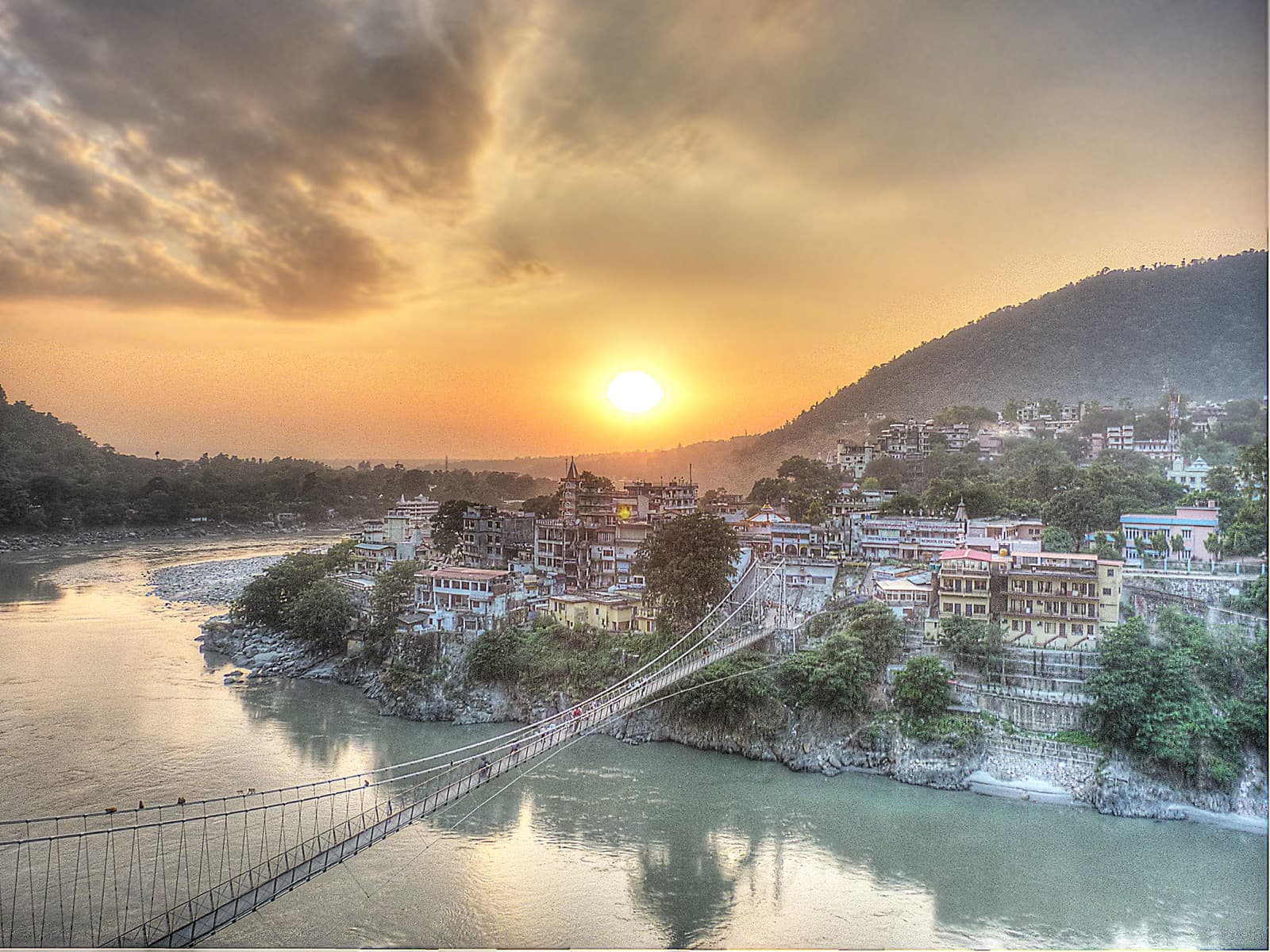
Rishikesh
Yoga Capital of the World • Gateway to the Garhwal Himalaya
About Rishikesh
Rishikesh sits where the Ganges leaves the Himalaya and enters the plains, its turquoise water spanned by iconic suspension bridges and lined with ashrams, ghats, and temples. Ever since the Beatles arrived at Maharishi Mahesh Yogi's ashram in 1968, the town has drawn seekers from around the world, earning its title as the Yoga Capital of the World — today it pairs sunrise meditation with Grade IV rapids, bungee jumps, and Himalayan treks.
It is also the traditional gateway to the Garhwal Himalaya: the Char Dham yatra to Yamunotri, Gangotri, Kedarnath, and Badrinath begins here. Easy to navigate, packed with hostels and cafes, and endlessly social, Rishikesh is a staple of our Solo Travel Favourites collection.
Top Attractions
Lakshman Jhula & Ram Jhula
The two landmark suspension bridges across the Ganges, flanked by the 13-storey Trayambakeshwar temple and riverside markets. Lakshman Jhula is closed to crossing for structural repairs — admire it from the banks or the new bridge alongside — while Ram Jhula remains the town's busy artery.
Ganga Aarti at Triveni Ghat
The evening fire ritual on Rishikesh's main bathing ghat — priests swing flaming lamps to chants and bells as diyas float downstream. Parmarth Niketan's smaller aarti across the river is equally loved.
Beatles Ashram (Chaurasi Kutia)
The abandoned ashram where the Beatles wrote much of the White Album, now an atmospheric walk of egg-shaped meditation domes and world-class graffiti art inside the Rajaji Tiger Reserve.
White-Water Rafting & Bungee
India's rafting capital — runs from Brahmpuri, Shivpuri, and Marine Drive tackle rapids up to Grade IV between September and June, and Mohan Chatti hosts one of India's highest bungee platforms.
Yoga Ashrams of Tapovan
From drop-in Hatha classes to month-long teacher trainings at Parmarth Niketan, Sivananda, and dozens of Tapovan schools — with the International Yoga Festival lighting up the town every March.
Neelkanth Mahadev Temple
A revered Shiva temple tucked into forested hills about 30 km from town, marking the spot where Shiva is said to have drunk the ocean's poison — a scenic half-day taxi or trek excursion.
Best Time to Visit
September to November and February to April are ideal — warm days, cool evenings, a flowing-but-safe river for rafting, and the International Yoga Festival in the first week of March. Winter (December–January) is chilly but peaceful, with crisp mornings perfect for ghat walks and yoga.
Summers (May–mid-June) get hot by afternoon, though mornings stay usable and the rafting water is at its warmest. During the monsoon (July–August) rafting shuts down completely and the Char Dham roads become landslide-prone, but the surrounding hills turn lush and ashram stays are at their quietest.
Visiting Tips
- Raft with licensed operators only: check for certified guides and proper safety kayaks — the cheapest counter on the road is rarely the safest raft on the river.
- Stay in Tapovan or near Lakshman Jhula for the cafe, hostel, and yoga scene; stay near Triveni Ghat for a more traditional pilgrim-town feel.
- Respect the river: the Ganges current is deceptively strong — swim only at designated ghats with chains, never after dark.
- Dress modestly around ashrams and ghats (shoulders and knees covered), and remove shoes before entering temples.
- Watch the monkeys: both bridges are notorious for snatch-happy macaques — keep sunglasses, phones, and food zipped away while crossing.
- Remember it's a dry, vegetarian town: no alcohol or non-veg within town limits — plan accordingly.
Nearby Places
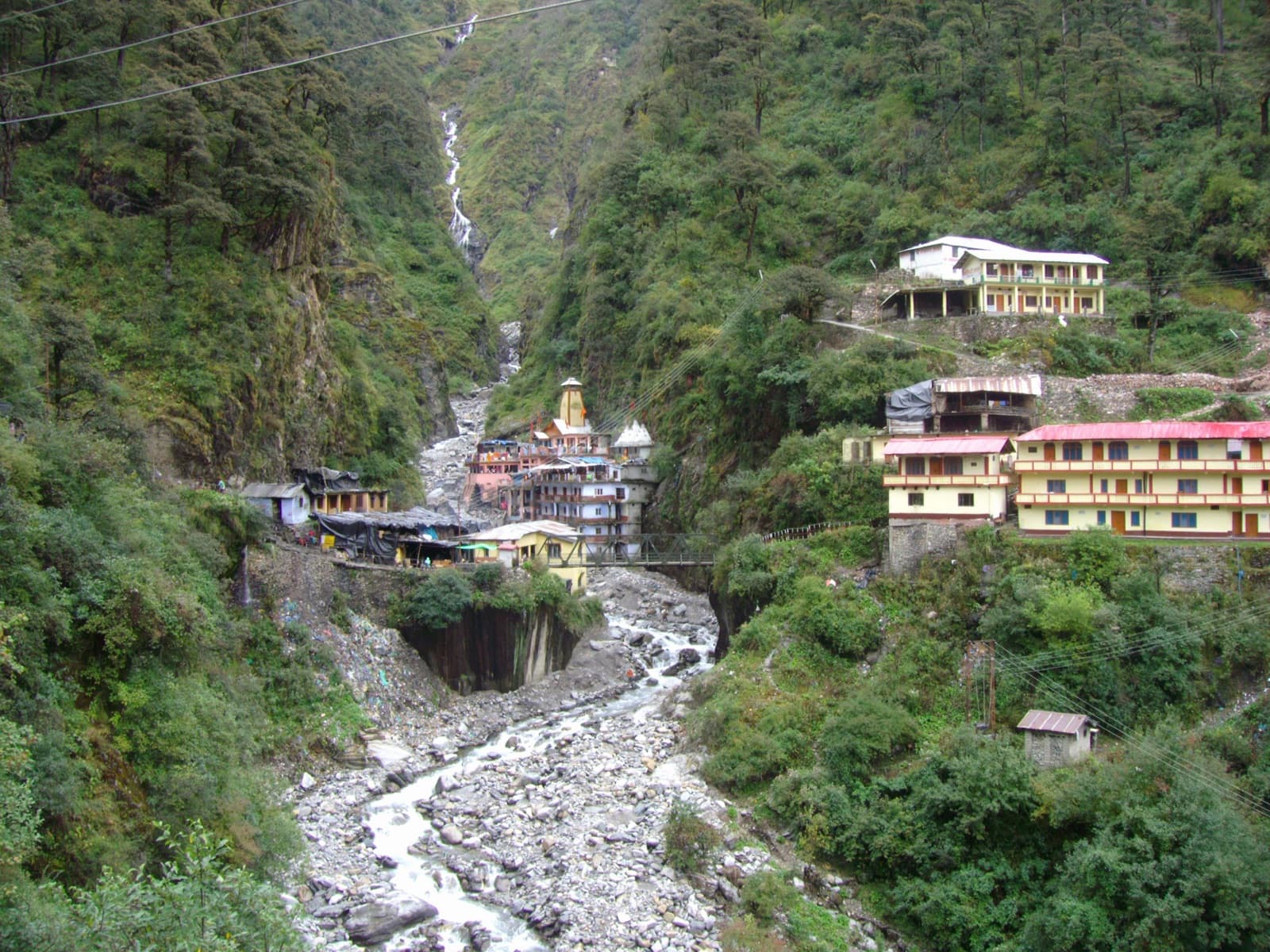
Yamunotri
The westernmost Char Dham shrine at the source of the Yamuna — the traditional first stop of the yatra that begins in Rishikesh.
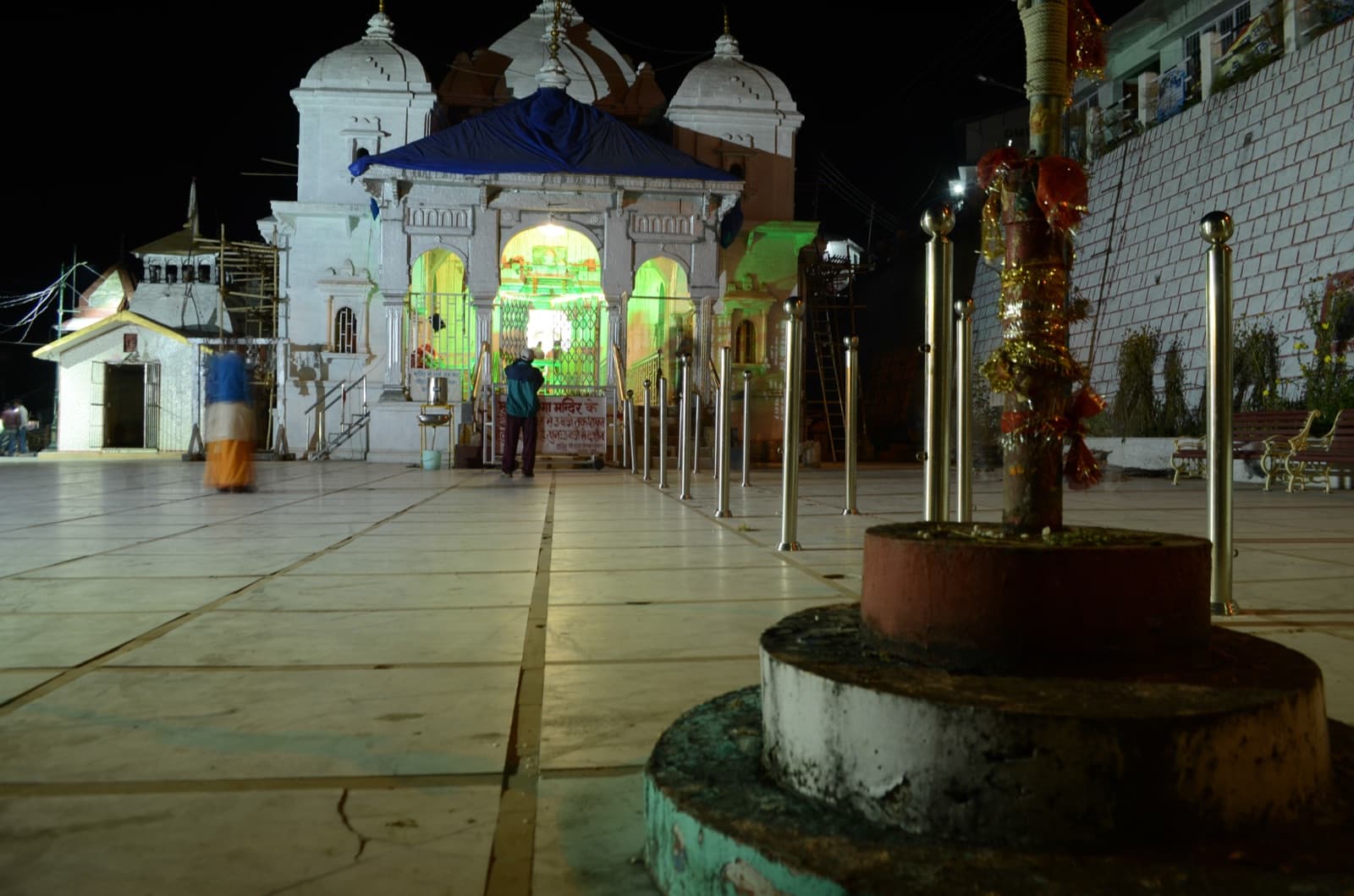
Gangotri
The temple town near the glacial source of the Ganges — the river you watch at the aarti begins its journey here.
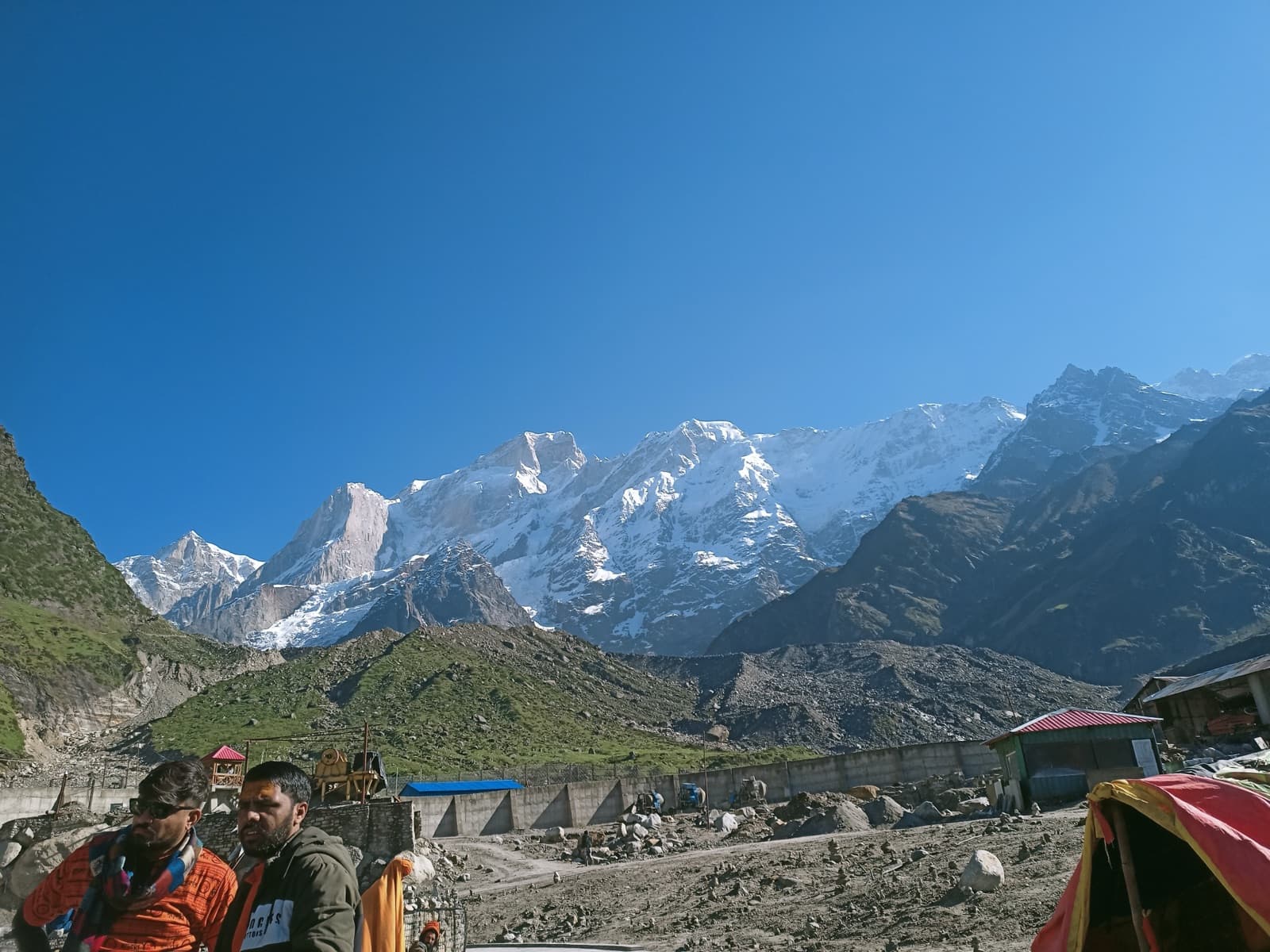
Kedarnath
The high Himalayan abode of Shiva, reached by a trek from Gaurikund — most pilgrims stage the journey from Rishikesh.
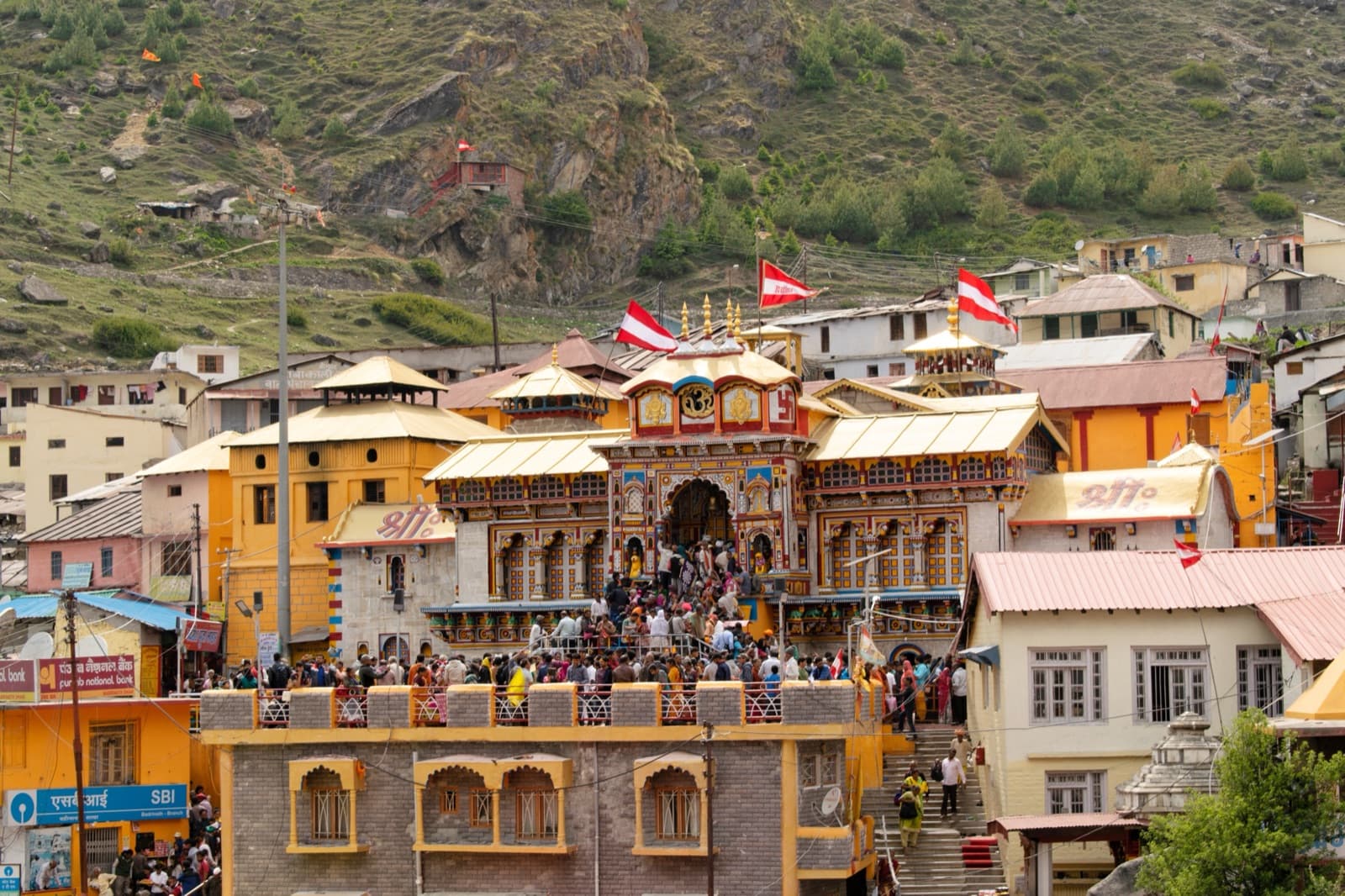
Badrinath
Vishnu's shrine between the Nar and Narayana peaks, the grand finale of the Char Dham circuit up the Alaknanda valley.
Frequently Asked Questions
The best months are September to November and February to April, when days are pleasant (15–30°C), the Ganga aarti crowds are manageable, and white-water rafting is in full swing. December and January are cool and atmospheric. Avoid the monsoon (July–August) if rafting is your priority — the river runs too high and operations close — and expect very hot afternoons from May to mid-June.
Rishikesh is one of the easiest solo destinations in India. The Tapovan and Lakshman Jhula areas are full of hostels, rooftop cafes, and yoga schools where solo travellers naturally meet, rafting operators group individuals into shared rafts, and drop-in yoga and meditation classes run all day. It is walkable, used to foreign visitors, and safe by Indian city standards — standard night-time precautions apply.
The main aarti takes place every evening around sunset (roughly 6 pm in winter, 7 pm in summer). Triveni Ghat hosts the biggest ceremony with fire lamps and chanting, while Parmarth Niketan ashram’s aarti on its private ghat is smaller, more devotional, and popular with first-timers. Arrive 30–45 minutes early for a good spot; attendance is free, though donations are welcome.
Rafting runs from about mid-September to the end of June, closing during the monsoon. Stretches range from the gentle Brahmpuri run (Grade I–II, fine for families and first-timers) to Shivpuri and Marine Drive routes with Grade III–IV rapids like Golf Course and Roller Coaster. Book a licensed operator with certified guides, wear the life jacket and helmet at all times, and expect to pay roughly ₹600–1,500 per person depending on the stretch.
Options range from drop-in classes (₹200–500) to residential Yoga Teacher Training courses running 2–4 weeks. Well-known ashrams include Parmarth Niketan, Sivananda, and Phool Chatti, while Tapovan has dozens of modern schools. Visit a class before committing to a long course, check whether the school is Yoga Alliance-registered if certification matters to you, and book popular ashrams ahead for the March International Yoga Festival week.
Yes. Chaurasi Kutia — where the Beatles stayed with Maharishi Mahesh Yogi in 1968 — lies inside the Rajaji Tiger Reserve boundary a short walk from Ram Jhula. Its meditation domes and graffiti-art halls are open daily from morning to late afternoon with an entry fee (around ₹150 for Indians, more for foreign nationals). Give it 1–2 hours and carry water; it closes before sunset.
By air: Dehradun’s Jolly Grant Airport (DED) is about 20 km away with frequent flights from Delhi and other metros; taxis take 45 minutes. By train: Yog Nagari Rishikesh and the older Rishikesh station have limited services, so many travellers use Haridwar Junction (~25 km), which is far better connected. By road: Delhi is roughly 240 km (5–6 hours) via NH334, with regular buses from Kashmere Gate ISBT.
No — Rishikesh is a holy town, and both alcohol and non-vegetarian food are prohibited within municipal limits. The upside is a superb vegetarian cafe scene: Ayurvedic thalis, health-food bowls, and rooftop cafes around Lakshman Jhula and Tapovan. Respect the rule; carrying alcohol openly can attract fines.
Location & Map
Quick Facts
How to Reach
Jolly Grant Airport, Dehradun (DED) is ~20 km away — frequent Delhi flights, then a 45-minute taxi.
Yog Nagari Rishikesh has limited services; better-connected Haridwar Junction is ~25 km away.
~240 km from Delhi via NH334 (5–6 hours); regular buses from Kashmere Gate ISBT and Dehradun.
Shared autos ply between Rishikesh town, Ram Jhula, and Tapovan; the riverside areas are best on foot.
Weather Guide
Riverside evenings are always a few degrees cooler — carry a light layer even in summer.
Browse every guide we have for this state: Places to visit in Uttarakhand