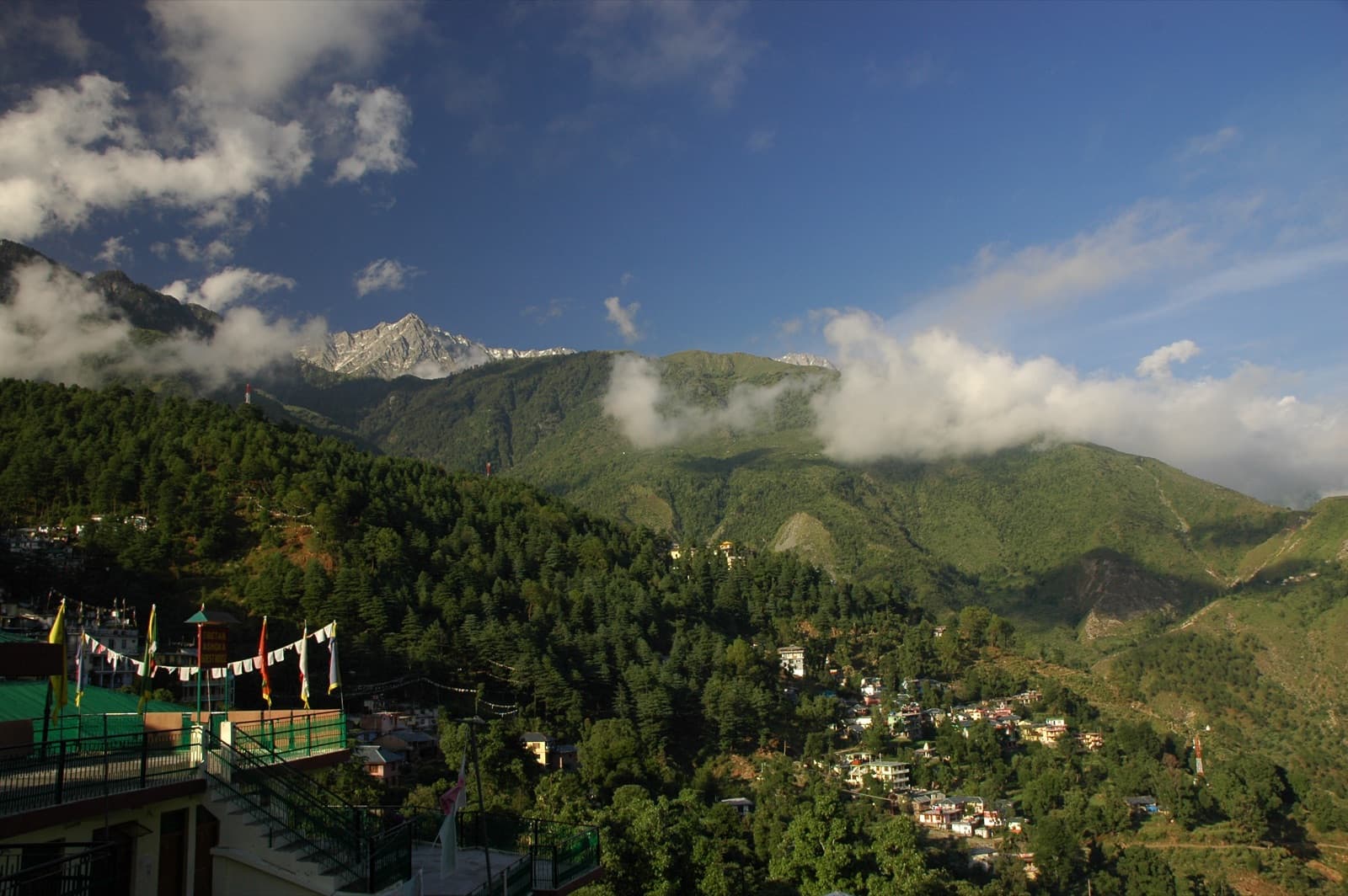
McLeod Ganj
Little Lhasa in the Dhauladhars • Home of the Dalai Lama
About McLeod Ganj
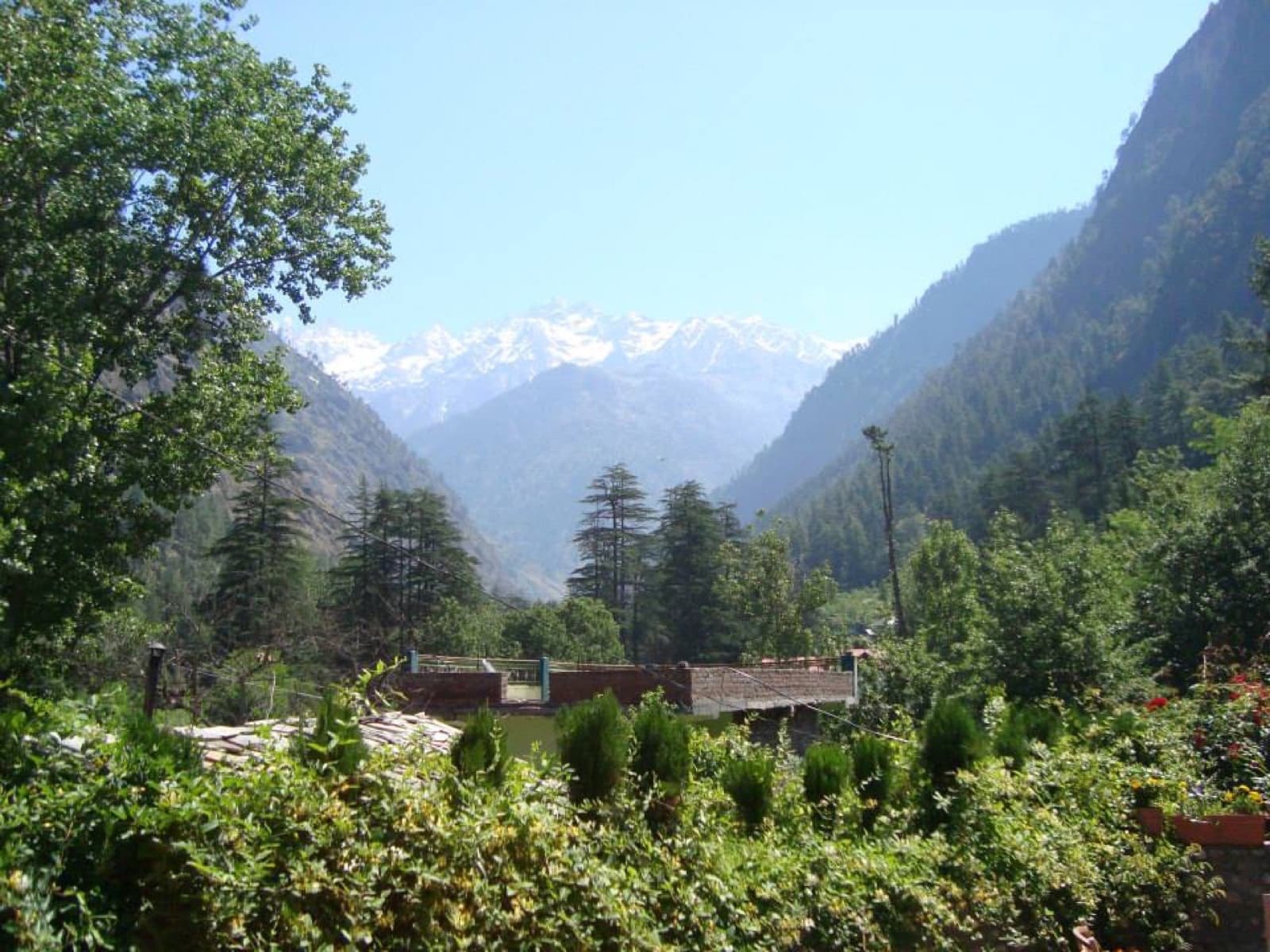
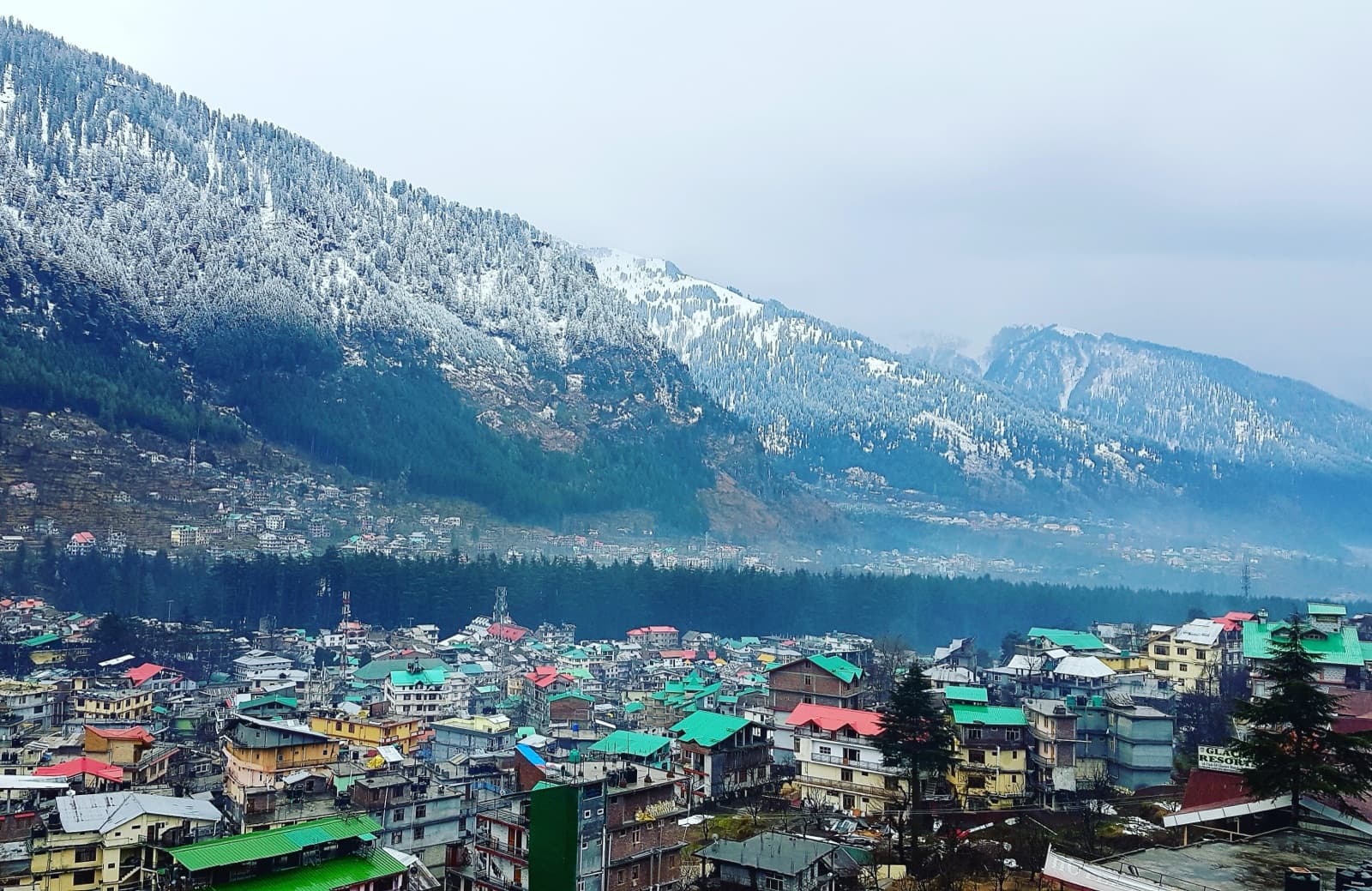
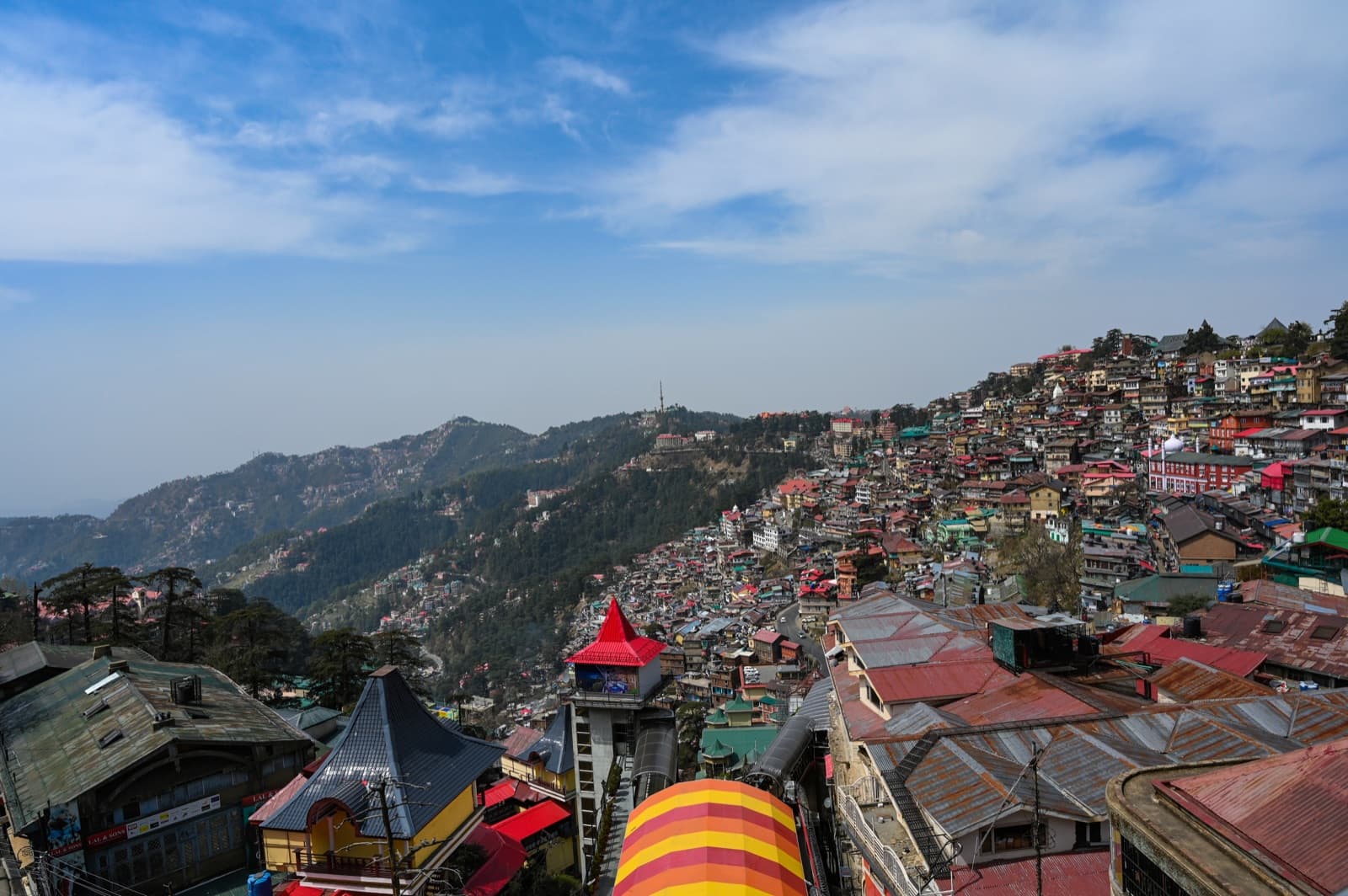
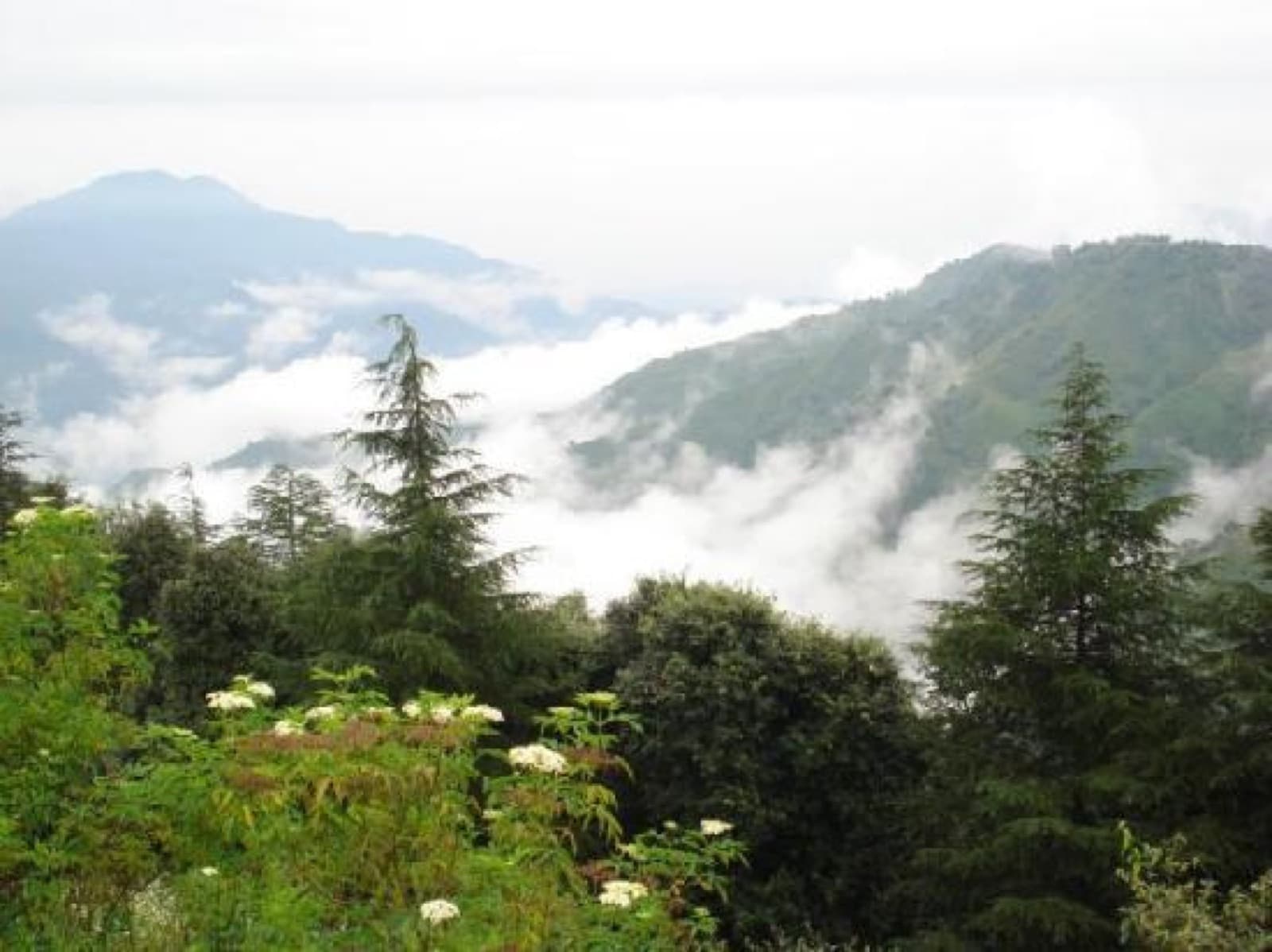
McLeod Ganj, perched on a forested ridge at about 2,082 metres above Dharamshala, has been the home of the 14th Dalai Lama and the Tibetan government-in-exile (the Central Tibetan Administration) since 1960 — earning it the name “Little Lhasa”. A former British garrison town named after Lieutenant Governor David McLeod, it is today a remarkable blend of Tibetan monastery town and Himalayan backpacker hub: maroon-robed monks, prayer wheels, and momo kitchens share its steep lanes with trekkers, yoga students, and café-hoppers, all beneath the snow wall of the Dhauladhar range.
Most travellers settle in for a few days — circling the Tsuglagkhang temple on the kora path, hiking up through Dharamkot to Triund, volunteering at Tibetan conversation classes, and eating their way through the bakeries. Its walkable size, cheap stays, and easy-going community make it a favourite on our solo travel collection of destinations across India.
Top Attractions
Tsuglagkhang Complex & Tibet Museum
The Dalai Lama's temple complex — main prayer hall with a gilded Shakyamuni Buddha, the Kalachakra temple, debating monks, and the moving Tibet Museum documenting the exile story. Walk the kora circuit around it.
Bhagsu Waterfall & Bhagsunag Temple
A short walk from Bhagsu village: the ancient Bhagsunag Shiva temple with its spring-fed pool, and a 20-minute trail up to the waterfall with slate-roofed cafés clinging to the gorge.
Triund Trek
The classic beginner's Himalayan day hike — about 9 km round trip through oak and rhododendron forest to a grassy ridge at 2,850 m, face-to-face with the Dhauladhar wall.
Namgyal Monastery
The Dalai Lama's personal monastery within the Tsuglagkhang complex — the largest Tibetan temple outside Tibet, where you can watch the afternoon monk debates with their theatrical hand claps.
St. John in the Wilderness
A neo-Gothic Anglican church of 1852 set in a deodar forest on the Forsyth Ganj road, with Belgian stained glass and the grave of Viceroy Lord Elgin — a quiet relic of the British era.
Dharamkot
The laid-back village above McLeod Ganj — yoga schools, meditation centres (Tushita and Vipassana), forest cafés, and the trailhead for Triund. Many long-stayers end up living here.
Best Time to Visit
March to June is the main season — warm days of 15–25°C, blooming rhododendrons, and clear views of the Dhauladhars, ideal for Triund and village walks. September to November is equally lovely, with post-monsoon freshness, crisp air, and the sharpest mountain views of the year. These windows also see the most café buzz and the best trekking conditions.
July and August bring an intense monsoon — the Dharamshala region is among the rainiest in Himachal, with mist, landslides, and slippery trails, though the forests turn a deep green for those who don't mind the rain. December to February is cold with occasional snowfall in town and reliable snow at Triund; it is a quiet, atmospheric time to visit, but carry serious warm layers and check trail conditions before hiking.
Visiting Tips
- Check the teaching schedule: if seeing the Dalai Lama's teachings matters to you, check dalailama.com before booking and register early with your passport — the town fills up fast around teaching dates.
- Solo travellers settle in easily: stay in Jogiwara Road or Dharamkot hostels to meet people, join a drop-in Tibetan conversation class at LHA, and you'll have company for Triund within a day.
- Start treks early: for Triund, leave by 8 am — clouds often build over the Dhauladhars by afternoon, and you want daylight in hand for the descent.
- Dress respectfully at the temple: cover shoulders and knees at Tsuglagkhang, walk the kora clockwise, and don't photograph people in prayer without asking.
- Watch the monkeys and the weather: keep food zipped away on trails, and avoid the Bhagsu and Triund paths during heavy monsoon rain or right after snowfall.
- Evenings are cool year-round: even in May, carry a fleece — and in winter pack proper warm gear, as many budget rooms have no heating.
Nearby Places
Dalhousie
A colonial-era hill station of churches, pine forests, and Raj-era bungalows spread over five hills above the Ravi valley.
Khajjiar
The “Mini Switzerland of India” — a saucer-shaped deodar-ringed meadow with a lake at its centre, near Dalhousie.
Chamba
An ancient temple town on the Ravi river, famous for the Lakshmi Narayan temple complex, Chamba rumals, and the Minjar fair.
Manali
The Kullu Valley's adventure capital — Old Manali cafés, Hadimba temple, Solang Valley, and the gateway to the Atal Tunnel and Lahaul.
Frequently Asked Questions
March to June and September to November are the best months, with pleasant days of roughly 15–25°C, clear Dhauladhar views, and ideal trekking weather for Triund. July and August bring very heavy monsoon rain — Dharamshala is one of the wettest places in Himachal — with frequent landslides and leech-infested trails, so avoid trekking then. December to February is cold (often 0–10°C) with occasional snowfall in town and regular snow at Triund, which makes for a beautiful but chilly off-season visit.
The Dalai Lama lives beside the Tsuglagkhang complex, and he holds public teachings there several times a year, usually announced on the official schedule at dalailama.com. Teachings are free but you must register in advance at the Tibetan Branch Security Office near the temple with your passport (or ID for Indians) and two photos, and carry an FM radio with earphones for the live translation. Outside teaching days you can still visit the Tsuglagkhang temple, watch monks debate, and spin the prayer wheels — but private audiences are generally not granted.
Yes — Triund is one of the friendliest first Himalayan treks in India. The trail is about 9 km round trip from Dharamkot (roughly 4–5 hours up and 2–3 hours down), well-marked, dotted with chai shops, and busy enough in season that solo trekkers are rarely alone for long. Start early, carry water, sunscreen, and a warm layer for the top (2,850 m), and check the forest department’s rules — overnight camping at the top is restricted, so most people do it as a day hike or stay at the forest rest house/authorised camps. Avoid the trail during heavy monsoon and after fresh winter snowfall.
Dharamshala is the main town and district headquarters of Kangra, sitting lower at about 1,450 m — it has the bus stand, the famous HPCA cricket stadium, and most government offices. McLeod Ganj (also called Upper Dharamshala) is a smaller settlement about 5 km and 500 m higher up the ridge, and it is where the Dalai Lama, the Tibetan community, the monasteries, cafés, and most travellers are. Buses usually drop you in lower Dharamshala, from where shared jeeps and taxis shuttle up the steep road to McLeod Ganj in 15–20 minutes.
McLeod Ganj is one of the best places in India for Tibetan food: steamed and fried momos, thukpa (noodle soup), thenthuk (hand-pulled noodle soup), shabhalay (meat pies), and butter tea are everywhere, from hole-in-the-wall Tibetan kitchens on Jogiwara Road to established places like Tibet Kitchen. The town also has a famous café culture — bakeries with apple pie and seabuckthorn tea, book cafés, and vegan-friendly spots spill up the lanes towards Dharamkot and Bhagsu, many run by or supporting Tibetan refugees.
Yes — this is one of the few hill towns where travellers can meaningfully volunteer on a short visit. Organisations such as LHA Charitable Trust and Learning and Ideas for Tibet run daily English-conversation classes where you simply drop in and talk with Tibetan monks, nuns, and refugees for an hour or two; longer-term teaching, IT, and healthcare volunteering can be arranged in advance. It is a rewarding way to engage with the community — bring ID, be consistent if you commit to classes, and check each organisation’s current schedule when you arrive.
By air: Gaggal (Kangra) Airport, about 20 km away, has daily flights from Delhi; taxis to McLeod Ganj take under an hour. By train: Pathankot (~90 km) is the nearest broad-gauge railhead, about a 3-hour drive, and the toy train on the Kangra Valley line stops at Kangra for a slower, scenic option. By road: overnight Volvo and HRTC buses from Delhi (~10 hours, roughly 480 km) are the most popular route and many run directly to McLeod Ganj; buses also connect from Chandigarh, Amritsar, Manali, and Dalhousie. From lower Dharamshala, shared jeeps and local buses run up to McLeod Ganj all day.
It is one of the best solo-travel bases in India. The town is compact and walkable, hostels and homestays are plentiful and cheap, cafés are full of other travellers, and there is a ready-made routine of things to do alone — the Triund day hike, meditation and yoga courses, Tibetan cooking classes, volunteering, and the Tsuglagkhang kora walk. The community is used to long-staying foreign and Indian solo visitors, and it is generally safe, though the usual hill-town precautions apply: avoid isolated trails after dark and keep an eye on the weather before trekking.
Location & Map
Quick Facts
How to Reach
Gaggal (Kangra) Airport, ~20 km away, has daily Delhi flights; taxis reach McLeod Ganj in under an hour.
Pathankot (~90 km, ~3 hrs by road) is the nearest broad-gauge railhead; the scenic Kangra Valley toy train stops at Kangra.
Overnight Volvo & HRTC buses from Delhi (~480 km, ~10 hrs), many direct to McLeod Ganj; also from Chandigarh, Amritsar & Manali.
Shared jeeps and local buses shuttle between lower Dharamshala and McLeod Ganj (15–20 min); the town itself is walkable.
Weather Guide
The Dharamshala ridge catches one of Himachal's heaviest monsoons — plan treks for spring or autumn, and pack rain gear in July–August.
Browse every guide we have for this state: Places to visit in Himachal Pradesh