Chamba
Ancient Town of Temples on the Ravi
About Chamba
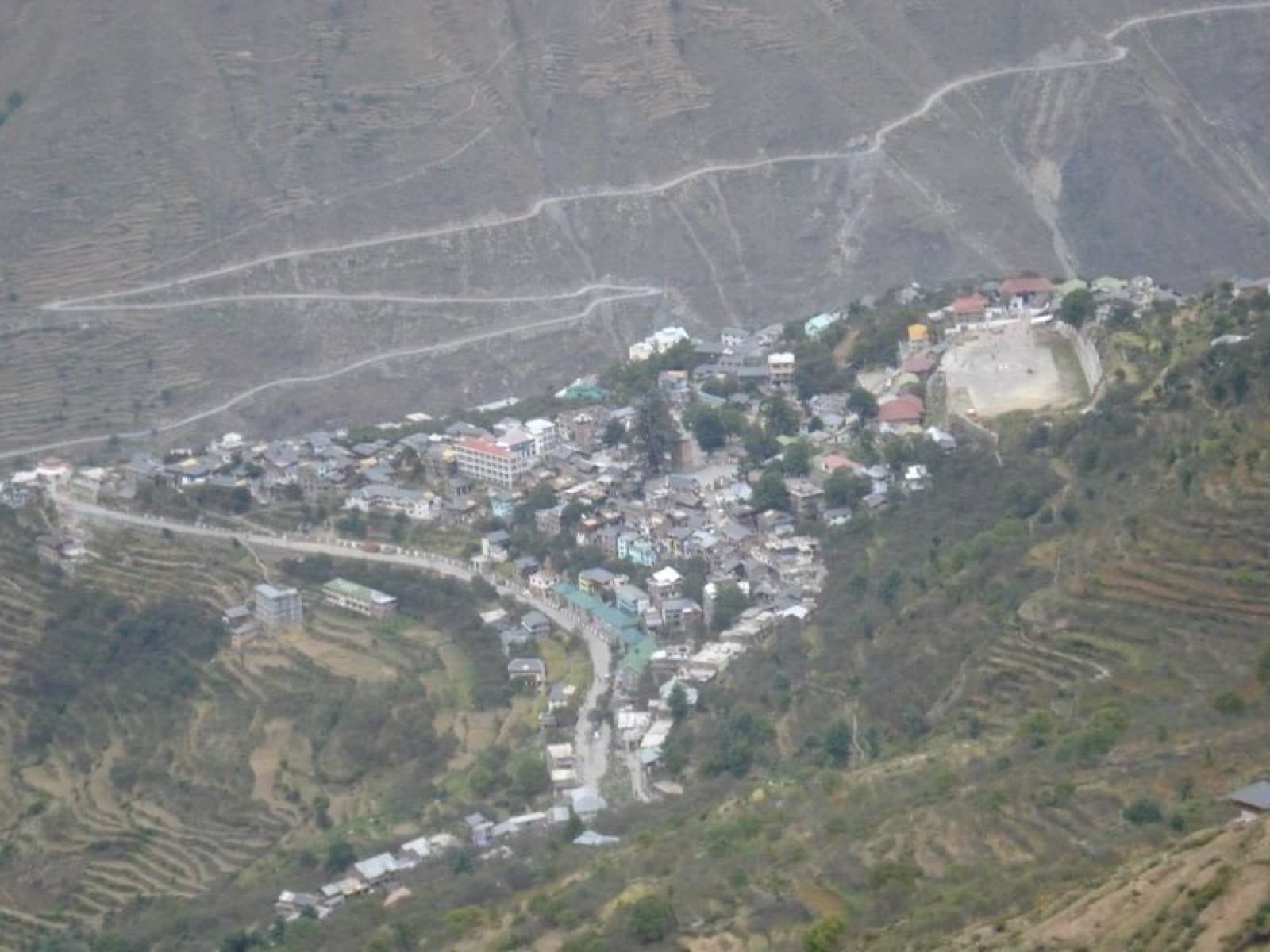
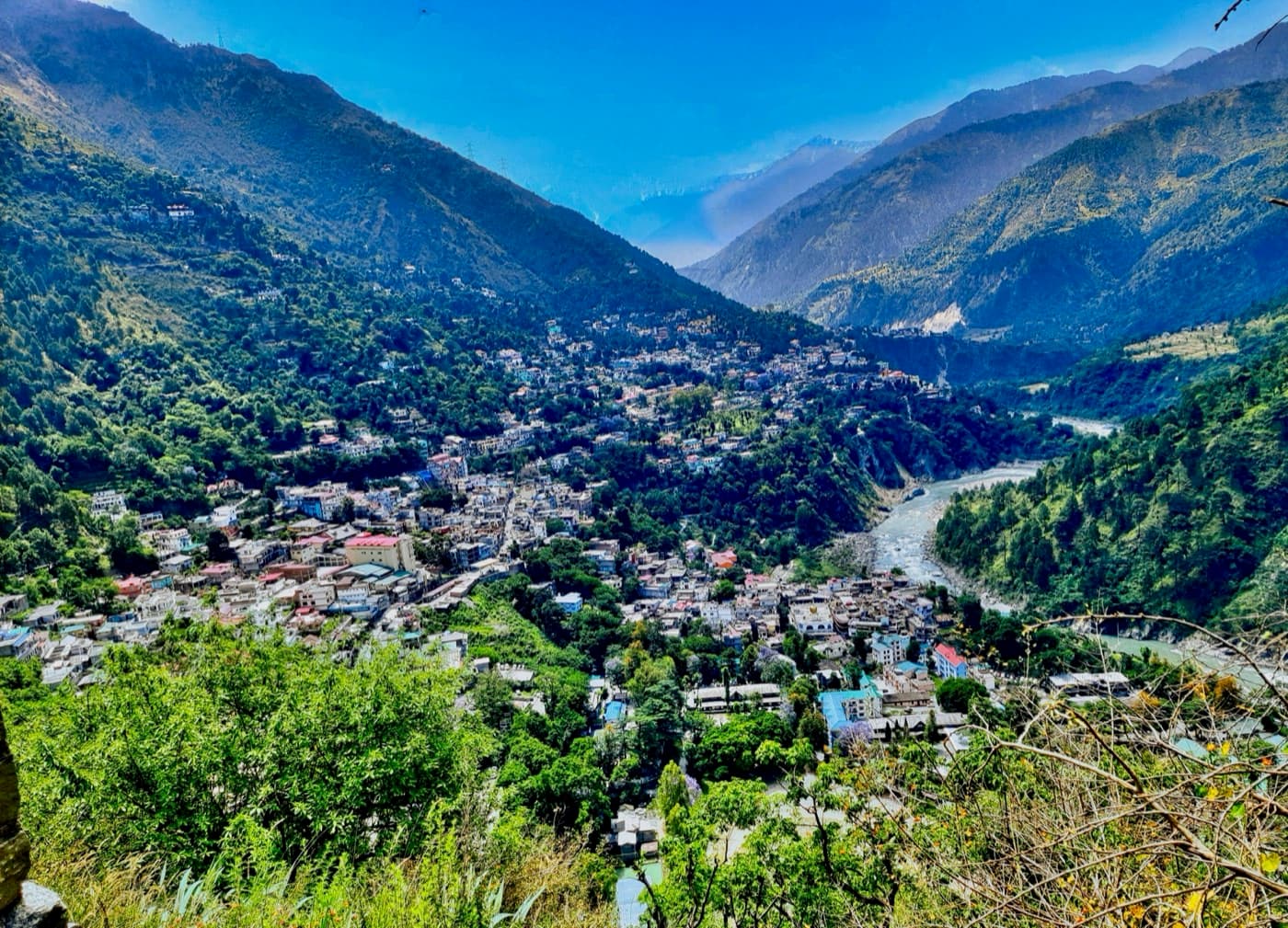
Cradled in a valley along the Ravi river, Chamba is one of the oldest hill towns in Himachal Pradesh, founded in 920 AD by Raja Sahil Varman and named after his daughter Champavati. For centuries the seat of the Chamba princely state, the town preserves a remarkable heritage of stone temples, palaces, museums and folk traditions.
Its centrepiece is the Lakshmi Narayan temple complex, a cluster of Shikhara-style shrines from the 10th century onward. Town life revolves around the Chaugan, a long grassy promenade that hosts the vibrant Minjar Mela. Chamba is also the starting point of the Chhari Yatra to Manimahesh and the home of the exquisite Chamba rumal embroidery.
Highlights
Lakshmi Narayan Temples
Six stone Shikhara temples to Vishnu and Shiva, from the 10th century.
The Chaugan
Chamba's grassy central promenade and the venue of the Minjar fair.
Bhuri Singh Museum
Pahari miniature paintings, Chamba rumals, coins and royal artefacts.
Champavati Temple
An elegant stone temple honouring the princess the town is named after.
How to Reach
Gaggal (Kangra) Airport, ~120–170 km; taxis to Chamba.
Pathankot railhead, ~120 km; onward by bus or taxi.
~50 km from Dalhousie and ~120 km from Pathankot via scenic mountain roads.
Regular HRTC buses from Pathankot, Dalhousie and Bharmour.
Nearby Places
Frequently Asked Questions
Chamba is a historic hill town on the banks of the Ravi river in Himachal Pradesh, founded in 920 AD. It is known for the Lakshmi Narayan temple complex, the large grassy promenade called the Chaugan, the colourful Minjar fair, the Bhuri Singh Museum, and the delicate Chamba rumal embroidery.
It is the principal temple complex of Chamba — a group of six Shikhara-style stone temples dedicated to Vishnu and Shiva, the oldest dating to the 10th century. Built by the rulers of Chamba, the cluster is the spiritual heart of the old town.
The Chaugan is Chamba’s iconic central promenade — a long, level grassy ground in the middle of town used for fairs, strolls and public gatherings. The Minjar Mela, Chamba’s biggest festival, is celebrated here.
Chamba is the starting point of the traditional Chhari Yatra — the holy silver-mace procession that sets out from Chamba’s temples and travels via Bharmour to Manimahesh Lake for the main bath on Radha Ashtami. Many pilgrims pass through Chamba en route to Bharmour and Hadsar.
The nearest airport is Gaggal (Kangra), about 120–170 km away, and the nearest major railhead is Pathankot, about 120 km. Chamba is well connected by road from Pathankot, Dalhousie (~50 km) and Khajjiar, with regular HRTC buses and taxis.
March to June offers pleasant weather and coincides with the Minjar fair season (late July–August). September to November is also lovely. Winters are cold but the town rarely sees heavy snow at its elevation of around 1,000 m.
Location & Map
Quick Facts
Don't Miss
- • Lakshmi Narayan temple complex
- • A stroll on the Chaugan
- • Bhuri Singh Museum & Chamba rumals
- • Minjar Mela (if visiting in late July–August)
Travel Tips
- • Pair with Dalhousie & Khajjiar on one trip
- • Pick up a hand-embroidered Chamba rumal
- • Mornings are best for temple visits
Photography
- • Temple spires above the old town
- • The Chaugan and riverfront
- • Festival colours during Minjar
Browse every guide we have for this state: Places to visit in Himachal Pradesh