Varanasi
One of the World's Oldest Living Cities • On the Sacred Ganges
About Varanasi
Varanasi — known through the ages as Kashi and Banaras — is among the oldest continuously inhabited cities on earth, with a recorded history stretching back some 3,000 years. Set on a great crescent bend of the Ganges, it is Hinduism's spiritual capital: pilgrims come to bathe in the river at dawn, to pray at the Kashi Vishwanath Temple, and, for many, to spend their final days here, since dying in Kashi is believed to grant moksha, liberation from the cycle of rebirth.
More than 80 ghats — stone stairways descending to the river — line the western bank for about seven kilometres, each with its own history, temples, and rituals. Behind them lies a labyrinth of medieval lanes packed with shrines, silk weavers, ashrams, and food stalls. Life and death, music and silence, chaos and serenity exist side by side here; for most travellers, Varanasi is less a sightseeing stop than an experience that stays with them long after they leave.
Top Attractions
Dashashwamedh Ghat & Ganga Aarti
The busiest and most spectacular ghat, where priests perform the choreographed evening Ganga aarti with tiered brass lamps, conch shells, and chanting — Varanasi's signature spectacle, best seen from the steps or a boat.
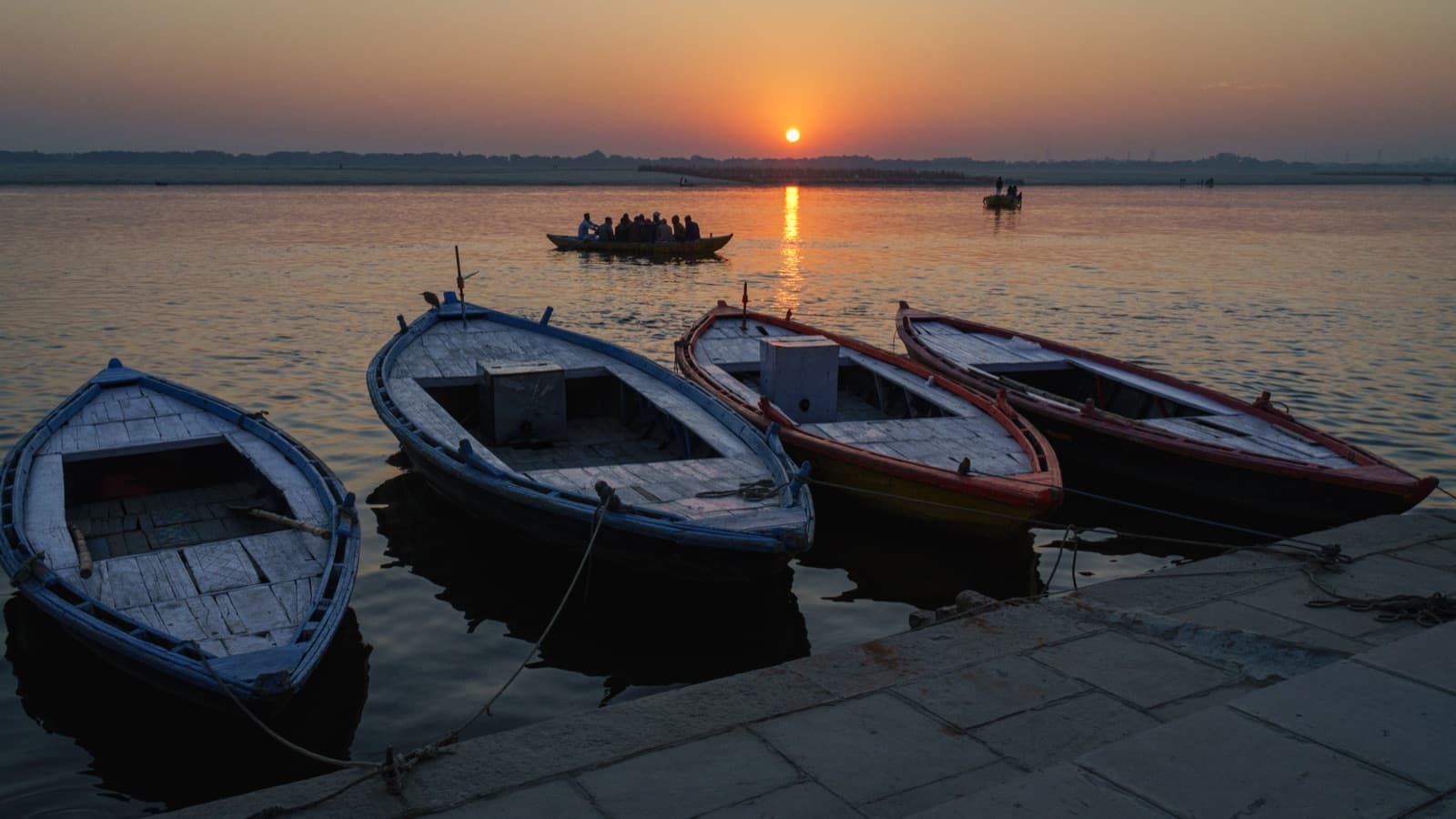
Sunrise Boat Ride
A dawn rowboat glide past the entire sweep of ghats — bathers, yogis, priests, and temple spires glowing in the first light — is the single most memorable thing to do in Varanasi.
Kashi Vishwanath Temple
One of the twelve jyotirlingas of Lord Shiva and the holiest temple in Varanasi, now reached via the grand riverside Kashi Vishwanath Corridor completed in 2021.
Assi Ghat
The relaxed southern ghat popular with students and long-stay travellers — famous for the morning Subah-e-Banaras aarti and yoga sessions, sunset chai, and laid-back cafes nearby.
Manikarnika Ghat
The principal cremation ghat, where funeral pyres have burned continuously for centuries. Visitors may observe quietly and respectfully from a distance — photography is strictly forbidden, and touts offering “special viewpoints” should be declined.
Sarnath
Just 10 km away, the deer park where the Buddha preached his first sermon — home to the Dhamek Stupa, the Ashokan lion-capital pillar, and a fine archaeological museum.
BHU & Bharat Kala Bhavan
The leafy campus of Banaras Hindu University houses the New Vishwanath Temple and the Bharat Kala Bhavan museum, with superb collections of miniature paintings, sculpture, and Banarasi textiles.
Best Time to Visit
October to March is the ideal season, with cool mornings perfect for sunrise boat rides and comfortable days for exploring the lanes. The city's grandest spectacle is Dev Deepawali in November (fifteen days after Diwali), when every ghat is lined with lakhs of oil lamps — book rooms and boats well in advance. Maha Shivaratri (February–March) and Diwali are also memorable, and the winter-only dessert malaiyyo is reason enough to visit December–January.
April to June is scorching, with temperatures regularly above 40°C — sightseeing is only practical at dawn and dusk. During the July–September monsoon the swollen Ganges often submerges the lower ghat steps, the ghat-to-ghat riverside walk closes, and boat rides may be suspended when the current is strong.
Visiting Tips
- Stay near the ghats: guesthouses and hostels between Assi and Dashashwamedh put the riverfront, aarti, and boat rides on your doorstep — ideal for solo travellers wanting to join walking tours and meet others.
- Handle touts calmly: boatmen, self-appointed guides, and silk-shop commission agents are persistent near Dashashwamedh — a firm, polite refusal works. Fix boat prices before boarding.
- Respect cremation-ghat etiquette: at Manikarnika and Harishchandra ghats, keep a respectful distance, never photograph the pyres or mourners, and ignore anyone demanding “donations for wood”.
- Start your days at dawn: sunrise is when the ghats are at their most atmospheric and the light is best; retreat to cafes or your room in the midday heat.
- Dress modestly and go cashless-ready: cover shoulders and knees at temples, carry a government ID for Kashi Vishwanath, and keep small cash for boats, chai, and street food — though UPI is widely accepted.
- Embrace the lanes, carefully: the old-city galis are confusing but safe by day — use the river to reorient yourself, watch for bikes and the occasional bull, and avoid deserted stretches of the ghats late at night.
Nearby Attractions
Sarnath
The hallowed deer park where the Buddha gave his first sermon — Dhamek Stupa, the Ashokan pillar, international monasteries, and an outstanding museum.
Ramnagar Fort
The 18th-century sandstone residence of the Maharaja of Banaras on the eastern bank of the Ganges, with a quirky museum of vintage cars, palanquins, and armoury.
Chunar Fort
A dramatic hilltop fort above the Ganges with layers of history from the Mauryas to the Mughals and the British — a rewarding half-day excursion from the city.
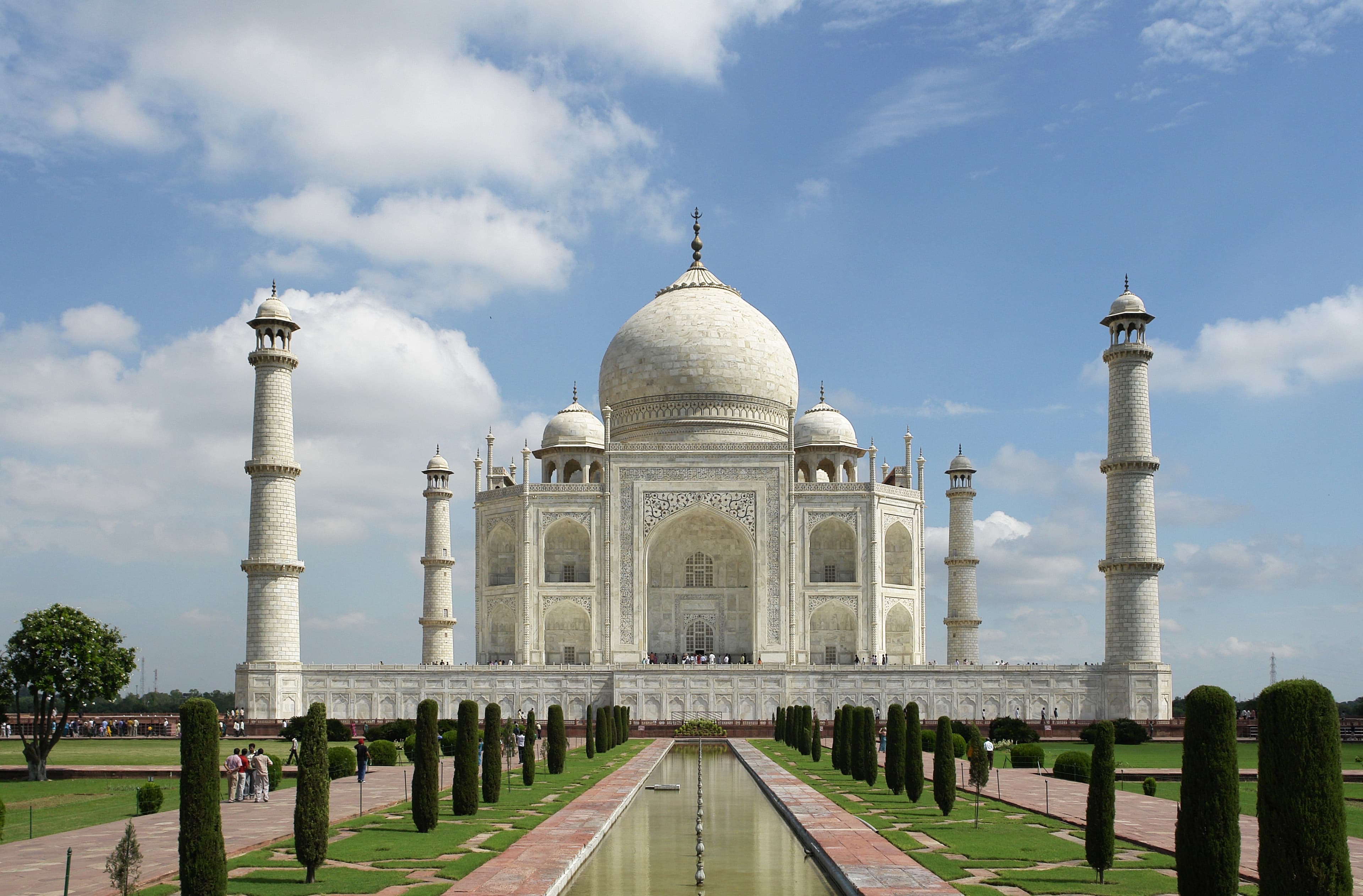
Taj Mahal, Agra
Extending your Uttar Pradesh trip? Pair the spiritual intensity of Kashi with the marble perfection of the Taj — Agra is an overnight train or short flight away.
Travelling alone? Varanasi features in our solo travel collection alongside other destinations that are easy and rewarding to explore independently.
Frequently Asked Questions
October to March is the best window, with pleasant days (roughly 15–28°C) ideal for boat rides and long walks along the ghats. November is especially magical thanks to Dev Deepawali, when all the ghats are lit with lakhs of earthen lamps fifteen days after Diwali. April to June is very hot (often above 40°C), and the monsoon months of July–September bring high river levels that can submerge the lower ghat steps and pause boat rides.
Absolutely worth it — watching the ghats wake up from the river at dawn is the defining Varanasi experience. Simply walk to Dashashwamedh Ghat or Assi Ghat around 5–6 am and negotiate directly with the boatmen; no advance booking is needed. A shared rowboat costs roughly Rs 100–200 per person for about an hour, while a private rowboat is usually Rs 500–1,000 depending on duration and season. Agree on the price and route (typically Assi to Manikarnika and back) before boarding.
The Ganga aarti is held every evening at Dashashwamedh Ghat, starting around 6:30–7 pm in summer and 6–6:30 pm in winter (shortly after sunset), and lasts about 45 minutes. It gets extremely crowded, so arrive at least an hour early to get a spot on the steps — or do what many travellers prefer and watch it from a boat on the river, which offers the best front-row view of the synchronised fire rituals.
The temple is open to all Hindus, and the new Kashi Vishwanath Corridor has made access from the Ganga-side entrance much easier than the old maze of lanes. Carry a government photo ID; mobile phones, cameras, bags, and leather items (belts, wallets) are not allowed inside and must be deposited in lockers near the entrance gates. General darshan is free, while paid sugam darshan tickets and early-morning mangala aarti tickets can be booked via the official shrikashivishwanath.org portal.
Yes — Sarnath, only about 10 km from the city, is one of Buddhism’s four holiest sites, where the Buddha delivered his first sermon after attaining enlightenment. Highlights include the massive Dhamek Stupa, the Ashokan pillar whose lion capital became India’s national emblem, the excellent Archaeological Museum, and monasteries built by Buddhist nations from Thailand to Japan. Half a day is enough; an auto-rickshaw round trip costs roughly Rs 400–600.
Yes — Varanasi is one of India’s most popular solo-travel destinations, with ghat-side hostels and guesthouses, plenty of cafes, and easy-to-join walking tours and boat rides where you will meet other travellers. That said, the city is intense: expect crowds, noise, and persistent touts offering boats, guides, and silk-shop commissions — a polite, firm no works. Keep valuables secure in crowds, avoid deserted ghats late at night, and dress modestly; women travellers generally report feeling safe on the busy riverfront.
The tangled lanes (galis) of the old city are half the experience — get a little lost between Dashashwamedh and Manikarnika and you will find centuries-old temples, silk weavers, and legendary food stalls. Must-tries include kachori-sabzi and jalebi for breakfast, malaiyyo (a saffron milk foam, winter only), thick lassi served in clay cups at Blue Lassi, tamatar chaat, and a banarasi paan to finish. Stick to busy stalls with high turnover and drink bottled or filtered water.
By air: Lal Bahadur Shastri International Airport (VNS) at Babatpur, about 25 km from the ghats, has direct flights from Delhi, Mumbai, Bengaluru, Hyderabad, and other major cities. By train: Varanasi Junction (BSB) and the modern Banaras (BSBS) station connect the city to virtually all of India, including Vande Bharat services from Delhi. By road: national highways link Varanasi to Lucknow (~300 km), Prayagraj (~120 km), and Bodh Gaya (~250 km), with regular buses from the UP roadways network.
Location & Map
Quick Facts
How to Reach
Lal Bahadur Shastri International Airport (VNS), ~25 km from the ghats, with direct flights from Delhi, Mumbai, Bengaluru, Hyderabad & more. Prepaid taxis take about an hour to the old city.
Varanasi Junction (BSB) and Banaras (BSBS) stations connect to virtually all of India, including Vande Bharat services from Delhi (~8 hours).
Well connected by national highways — Prayagraj ~120 km, Lucknow ~300 km, Bodh Gaya ~250 km. Note: cars cannot enter the old-city lanes; walk or take a rickshaw from Godowlia.
Auto-rickshaws, e-rickshaws, and app cabs cover the city; the riverfront itself is best explored on foot or by boat.
Weather Guide
Winter mornings on the river can be surprisingly cold and misty — carry a light jacket for the sunrise boat ride.