Red Fort
Lal Qila • The Heart of Mughal Empire
About the Red Fort
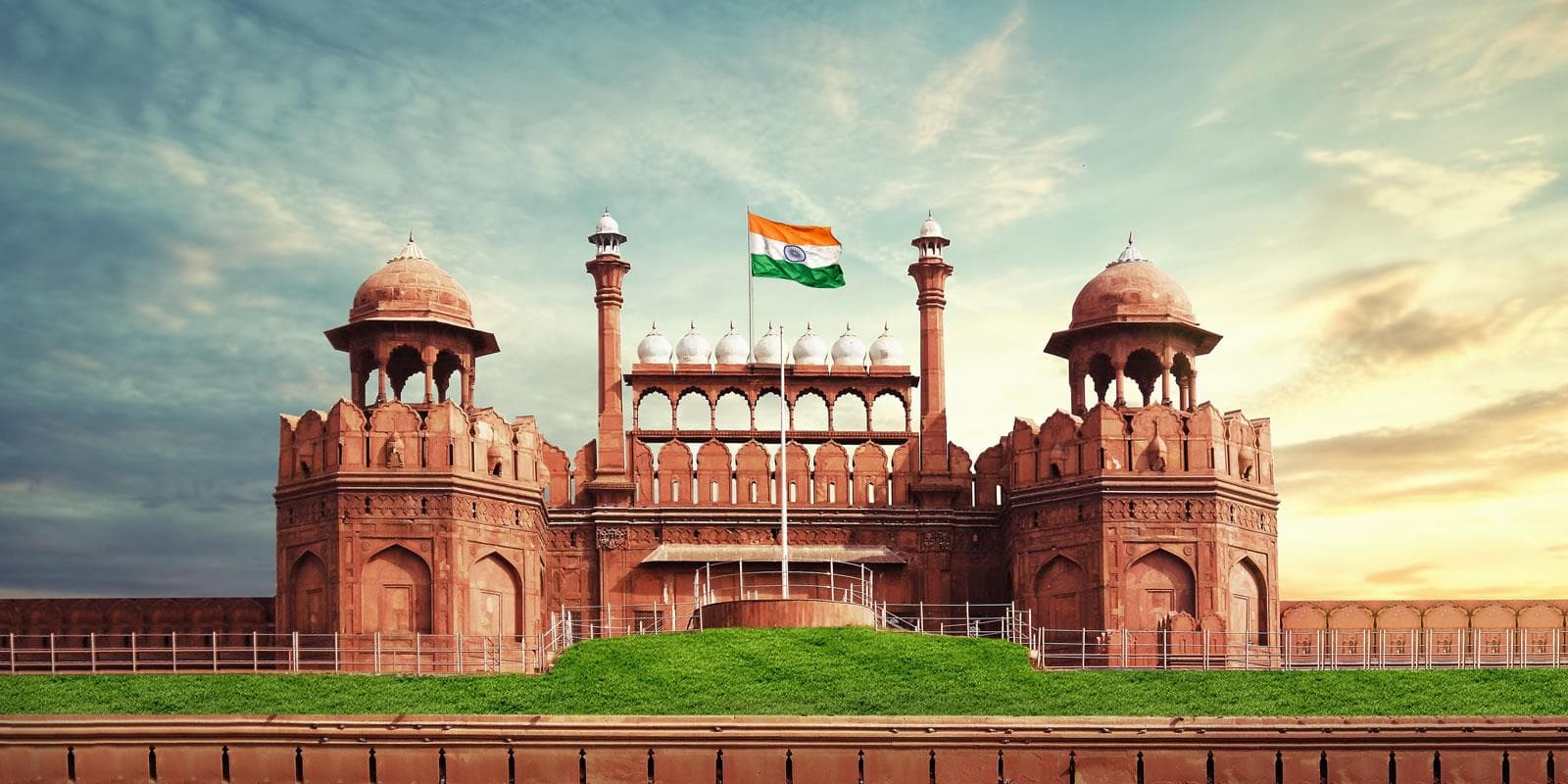
The Red Fort, also known as Lal Qila, is a historic fortress in the city of Delhi in India. It was the main residence of the Mughal Emperors for nearly 200 years, until 1857.
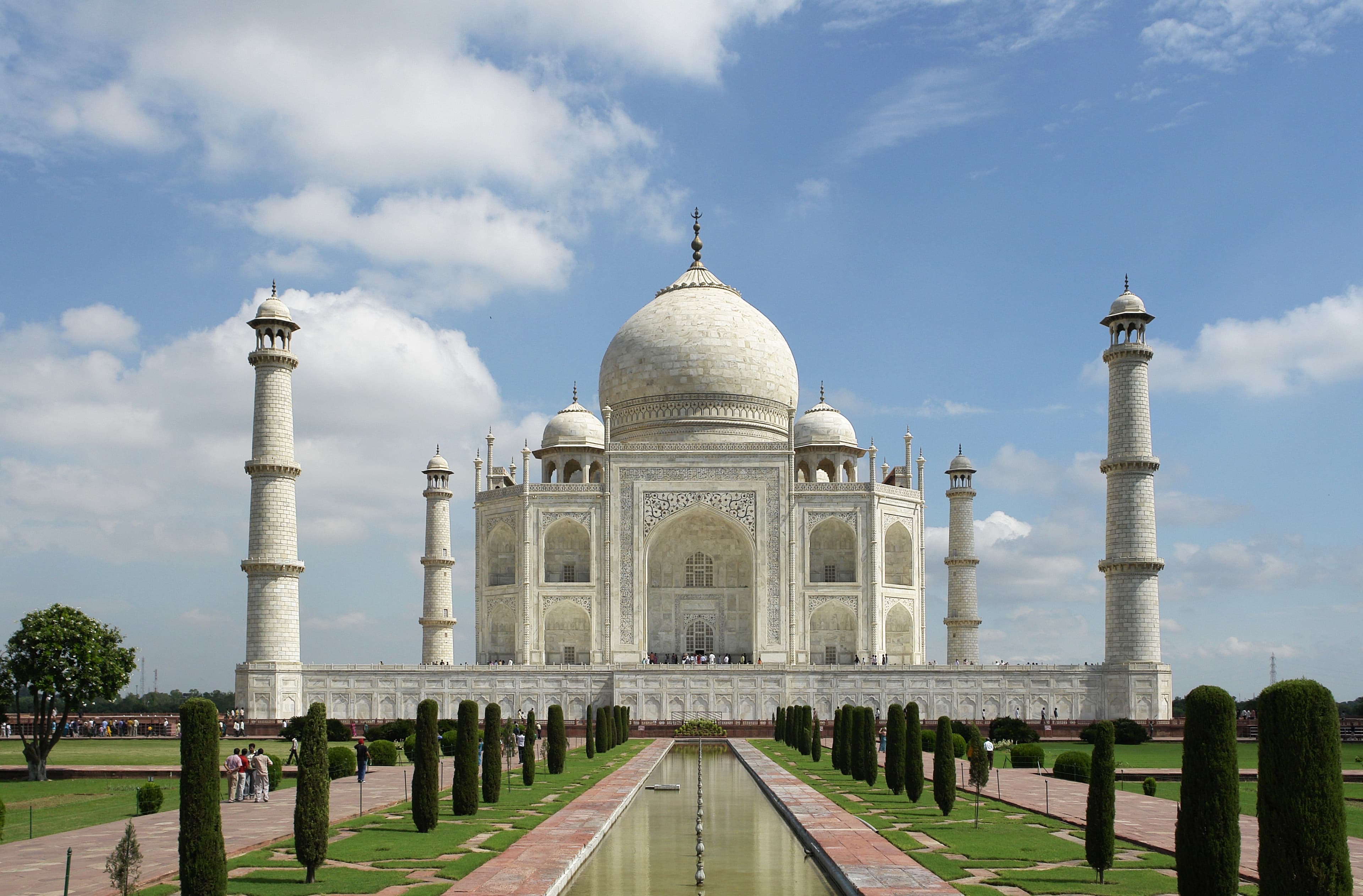
The fort was commissioned by the fifth Mughal Emperor Shah Jahan on 12 May 1638, when he decided to shift his capital from Agra to Delhi. The fort was designed by architect Ustad Ahmad Lahauri, who also designed the Taj Mahal.
The Red Fort is named for its massive enclosing walls of red sandstone and is adjacent to the older Salimgarh Fort, built by Islam Shah Suri in 1546. It was designated a UNESCO World Heritage Site in 2007 as part of the Red Fort Complex.
Historical Background
1638 - Foundation Laid
Shah Jahan commissions the construction of the new imperial capital.
1648 - Construction Complete
The fort is completed and becomes the new Mughal capital.
1857 - Indian Rebellion
The last Mughal emperor, Bahadur Shah Zafar, is exiled from the fort.
1947 - Independence
Jawaharlal Nehru raises the Indian flag from the Lahori Gate.
2007 - UNESCO Recognition
Declared a World Heritage Site for its outstanding universal value.
Architectural Marvel
Design Elements
- • Red sandstone walls with white marble inlays
- • Octagonal shape with 2.41 km perimeter
- • Two main gates: Lahori and Delhi
- • Chatta Chowk (covered bazaar)
- • Diwan-i-Aam and Diwan-i-Khas
Dimensions
- • Perimeter: 2.41 kilometers
- • Height: 18-33 meters
- • Area: 254.67 acres
- • Gates: 2 main, 2 minor
- • Towers: 14 major towers
Best Time to Visit
Morning (9:00 AM)
Beat the crowds and enjoy cooler temperatures for exploration.
Afternoon (2:00 PM - 4:00 PM)
Visit the museums and indoor attractions during peak heat.
Evening (5:00 PM)
Experience the light and sound show (seasonal).
Essential Visiting Tips
What to Bring
- • Valid ID proof (passport/driving license)
- • Comfortable walking shoes
- • Water bottle and snacks
- • Camera (photography allowed)
- • Hat and sunscreen
Important Notes
- • Security check mandatory
- • Bags are scanned
- • Photography allowed throughout
- • Guided tours available
- • Audio guides in multiple languages
Photography Guide
Best Photo Spots
- • Lahori Gate: Main entrance with impressive facade
- • Chatta Chowk: Covered bazaar with arches
- • Diwan-i-Aam: Public audience hall
- • Moti Masjid: Pearl mosque
- • Rang Mahal: Painted palace
Camera Settings
- • Aperture: f/8 to f/11 for sharp details
- • ISO: 100-400 for best quality
- • Shutter Speed: 1/125s or faster
- • Lens: Wide-angle (16-35mm) recommended
Nearby Attractions
Jama Masjid
India's largest mosque, built by Shah Jahan, located opposite the Red Fort.
Entry Fee: Free (₹300 for camera)
Chandni Chowk
One of the oldest and busiest markets in Old Delhi, famous for street food.
Best For: Shopping and street food
Raj Ghat
Memorial to Mahatma Gandhi, a peaceful garden with historical significance.
Entry Fee: Free
Humayun's Tomb
UNESCO World Heritage site, precursor to the Taj Mahal's design.
Entry Fee: ₹40 (Indians), ₹600 (Foreigners)
Frequently Asked Questions
The Red Fort gets its name from the massive red sandstone walls that enclose the entire complex. The walls stretch 2.5 km in perimeter, rise to 33 metres on the riverside and 18 metres on the city side, and were constructed under the Mughal emperor Shah Jahan between 1638 and 1648. The red sandstone — quarried from Fatehpur Sikri — gives the fort its distinctive deep russet colour, particularly vivid in the late afternoon sun.
The Red Fort holds enormous national importance: every year on 15 August (India's Independence Day), the Prime Minister of India hoists the national flag from the fort's Lahori Gate and addresses the nation. This tradition began in 1947 when Prime Minister Jawaharlal Nehru unfurled the flag to mark India's independence from British rule. Thousands gather in person and millions watch on television. If you visit Lahori Gate in the days leading up to Independence Day, you will see extensive security preparations underway.
Yes. The Archaeological Survey of India runs a light and sound show at the Red Fort most evenings (except Mondays). The show narrates the history of the Mughal empire and the fort using dramatic lighting across the main structures. The Hindi show typically runs at 7:30 PM and the English show at 8:00 PM (timings change seasonally — confirm with the ticket counter on arrival). Tickets are sold separately from daytime entry and are priced at ₹80 for Indians and ₹500 for foreigners.
The most important structures inside the Red Fort complex are: the Diwan-i-Aam (Hall of Public Audience) where the emperor held court with ordinary citizens; the Diwan-i-Khas (Hall of Private Audience), once home to the legendary Peacock Throne; Rang Mahal (Palace of Colours), the quarters of the royal ladies; Mumtaz Mahal, now the Archaeological Museum; Moti Masjid (Pearl Mosque); and the Hayat Bakhsh Bagh, the original Mughal pleasure garden. The ASI also operates an audio guide service for ₹100 which adds historical depth to each structure.
Yes. The Red Fort Complex was inscribed as a UNESCO World Heritage Site in 2007. The citation recognises it as representing the high point of Mughal creative genius and notes its influence on architecture, garden design, and urban planning in the Indian subcontinent. The UNESCO listing covers the entire fort complex including its walls, main gates, palace buildings, and the Salimgarh Fort that adjoins it to the north.
Allow 2–3 hours to see the main structures. A comprehensive visit including all palaces, the Mumtaz Mahal museum, the garden, and the mosque takes closer to 3–4 hours. The fort complex is large (over 250 acres within the walls), so comfortable shoes are essential. Avoid the midday heat in summer — the sandstone pathways become very hot. Early morning visits (gates open at 9:30 AM, 6:00 AM for the Jama Masjid side) are most comfortable.
Yes. Tickets for the Red Fort can be booked online through the ASI's booking portal, which also allows booking for the evening light and sound show. During peak tourist season (October–March) and especially around Independence Day, advance booking is strongly recommended. Tickets can also be purchased at the Lahori Gate ticket counter. The main entrance is through Lahori Gate on the western side, though the Salimgarh Fort can also be accessed from the Delhi Cantonment side.
The nearest Metro station is Lal Quila on the Delhi Metro's Violet Line (Line 6), a 5-minute walk from the Lahori Gate entrance. From Connaught Place, you can also take the Yellow Line to Chandni Chowk station, which is about a 10-minute walk through the bustling Old Delhi market street. Taxis, auto-rickshaws, and cycle-rickshaws are available from all parts of central Delhi. The Red Fort is approximately 5 km from India Gate and about 15 km from Indira Gandhi International Airport.
Location & Map
The Red Fort is located in Old Delhi, near the banks of the Yamuna River.
Address:
Netaji Subhash Marg, Lal Qila, Chandni Chowk, New Delhi, Delhi 110006
Coordinates:
28.6562° N, 77.2410° E
Quick Facts
Entry Fees
Opening Hours
How to Reach
Indira Gandhi Airport (DEL) - 20 km from Red Fort
Old Delhi Railway Station - 1 km from Red Fort
Chandni Chowk Metro Station - 0.5 km from Red Fort
Multiple bus routes connect to Old Delhi
Contact Information
Weather Guide
Local Cuisine
Chandni Chowk Food
Famous street food and traditional sweets
Mughlai Cuisine
Rich, aromatic dishes with spices
Delhi Street Food
Chaat, samosas, and local snacks
Shopping Guide
Chandni Chowk
Traditional textiles and jewelry
Dariba Kalan
Silver and gold jewelry
Kinari Bazaar
Wedding accessories and decorations